

Training Tennis Balls: Pressure, Rebound and Solo Drills
Training balls are the least examined purchase in a tennis programme and the one that determines how much practice actually happens. A bucket of dead balls teaches a beginner to compensate rather than to hit, and the compensation is hard to unlearn.
Two specifications decide almost everything: whether the ball is pressurised, and how consistent the rebound is across the box.
Pressurised, pressureless and what the difference does
A pressurised ball holds gas inside a sealed core, and it plays lively for a limited time — the gas escapes through the wall and the valve, slowly at first and then faster once the ball has been hit hard for a while. A pressureless ball is built to hold its rebound without internal pressure; it feels firmer from new and stays playable far longer.
For coaching, that difference is the whole argument. A pressureless ball gives a squad a consistent feed for months, which is what drills need. A pressurised ball gives the feel of match play, which is what match preparation needs — and it is the wrong choice for a bucket that will be used three times a week for a year.
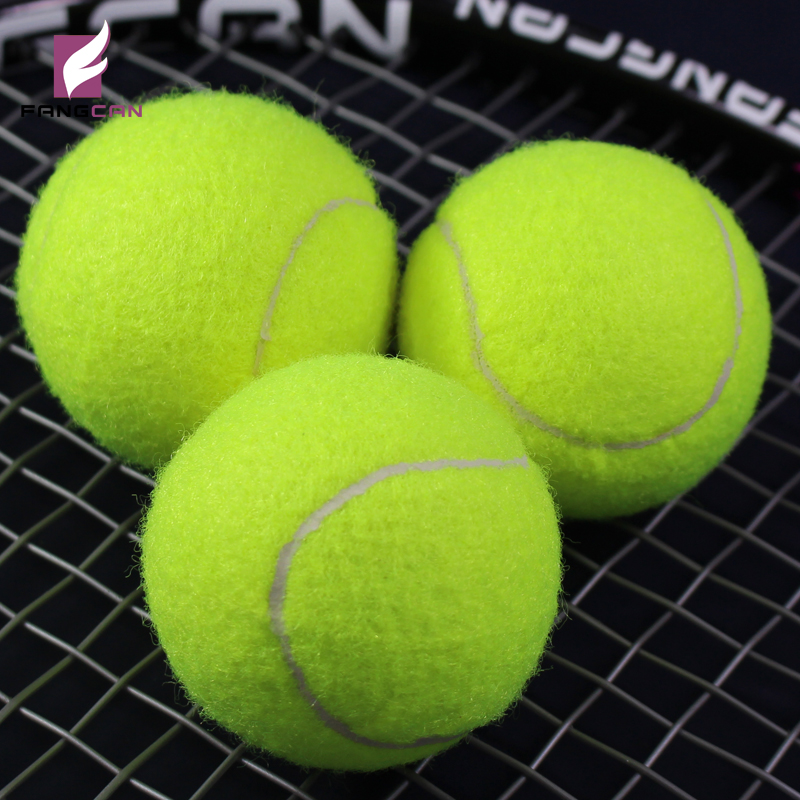
Rebound consistency, measured simply
The standard check is a drop test: from a fixed height onto a hard surface, the rebound should land in a narrow band. Do it on five balls from a new box and compare. A box where the rebounds spread widely is a box that will produce inconsistent feeds, and inconsistent feeds teach inconsistent timing.
This is a five-minute inspection that no supplier can argue with, and it is worth doing on every new brand before a season’s order is placed.
The string-attached ball, and why it exists
A ball on an elastic cord is a solo training tool: it returns after each hit, which makes it possible to practise alone in a small space. Its specification is the cord, not the ball — cord length, elasticity and the anchor determine whether the ball comes back usefully or snaps at the player’s ankles.
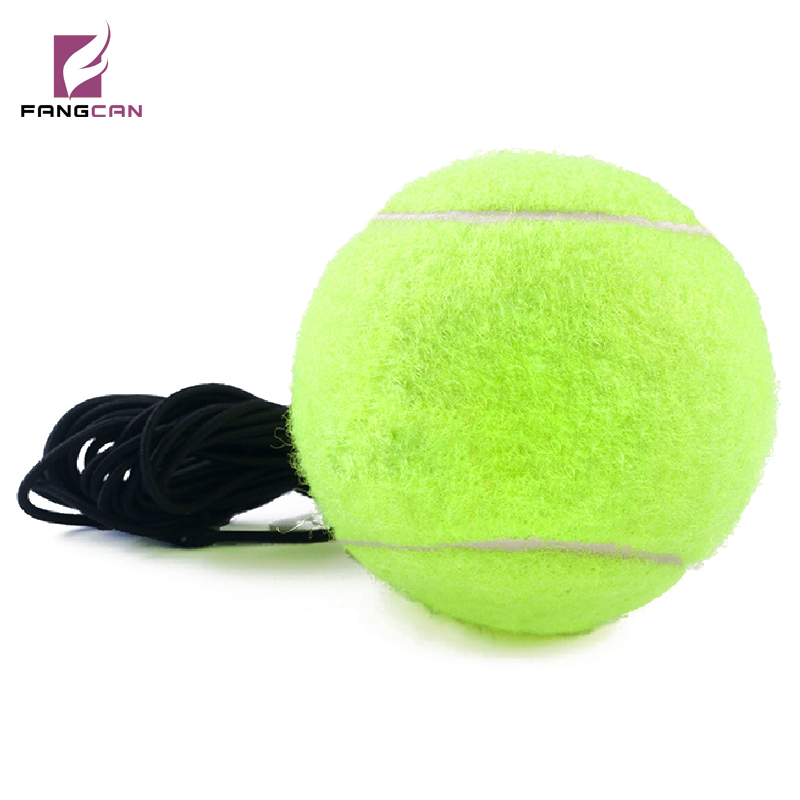
Sold properly, it is a beginner and school product, and the cord is the wear part. Ask for the cord material and the anchor type; a cord that is not replaceable turns the product into a disposable item after one season.
Bulk buying and the storage problem
Training balls are bought by the box and stored in bags, and the storage condition affects them: a sealed bag of damp balls will grow a smell that no amount of airing fixes quickly, and a bag left in a hot store room ages the rubber faster than use does. Specify a mesh or vented bag for the programme, not a sealed duffel.
What to put on the purchase order
- Pressurised or pressureless, stated explicitly.
- Rebound band, and the drop-test method used to check it.
- Felt specification, since felt determines both grip and life.
- Quantity per box, and whether a mesh carry bag is included.
- Cord specification for string-attached versions, and whether it is replaceable.
- Storage guidance, printed rather than assumed.
The felt point is underrated. A hard court wears felt quickly and a clay court wears it differently; a ball specified for one surface underperforms on the other and the coach will blame the supplier.
For a programme order, the sensible split is a box of pressureless training balls for drills plus a set of corded balls for solo work. Both are consumables with a predictable replacement rhythm, which is why they belong in the same seasonal order as the rest of the coaching stock — the three-clock logic in our seasonal note applies to them too.
Rotation and the dead-ball problem
Every coaching basket ends up with a mix of new and dead balls, and the mix is what makes drills inconsistent. The fix is procedural rather than commercial: date the box when it is opened, retire balls on a schedule rather than on feel, and keep the drill basket separate from the match balls.
A club that rotates on a schedule buys the same quantity every season and stops arguing about why the drills feel different in week ten.
Where the balls are stored matters
A sealed bag in a hot store room ages rubber faster than play does; a bag left in a car is worse. Mesh storage, shade and airflow extend the useful life of a box by a season, which is a larger saving than any price negotiation on the balls themselves.
Common mistakes on this specification
- Buying pressurised balls for a drill basket.
- Mixing new and dead balls without dating the box.
- Storing balls in a sealed bag in a hot room.
- Selling a corded ball without checking the cord is replaceable.
- Specifying felt for the wrong surface.
All five are procedural, which means a club can fix them without buying anything.
One sentence for the coaching staff, which solves more than any specification: if the ball does not come back off the wall, it is finished — put it in the retired bin, not back in the basket.
Keep the drill basket out of the car, and the same box lasts a season longer for no other reason.