

Compliance Labels: What Buyers Must Ask For
Compliance is the part of a purchase order that nobody enjoys writing and everybody regrets skipping. It is also the part where a supplier’s answer tells you more than their price: a factory that can produce a current test report and a label artwork in one email is a factory that has shipped to the destination before.
This is a procurement checklist, not legal advice. Every destination differs, and the scope question below is the one that most often gets answered wrongly by everyone involved.
One: material declarations, not certificates
For the EU, the relevant framework is REACH, and the practical request is a declaration of the restricted substances against the current candidate list, plus test reports for the specific materials in the product — not a generic “REACH compliant” certificate, which is a phrase rather than a document.
Plasticisers deserve their own line. Phthalates are restricted in toys and childcare articles, and sporting goods sit outside that scope in most cases — but they sit inside the expectations of large retailers, marketplaces and any buyer whose own customer asks the question. Ask for the phthalate statement explicitly, with the test method, and keep it with the batch record.
Two: the scope question nobody answers
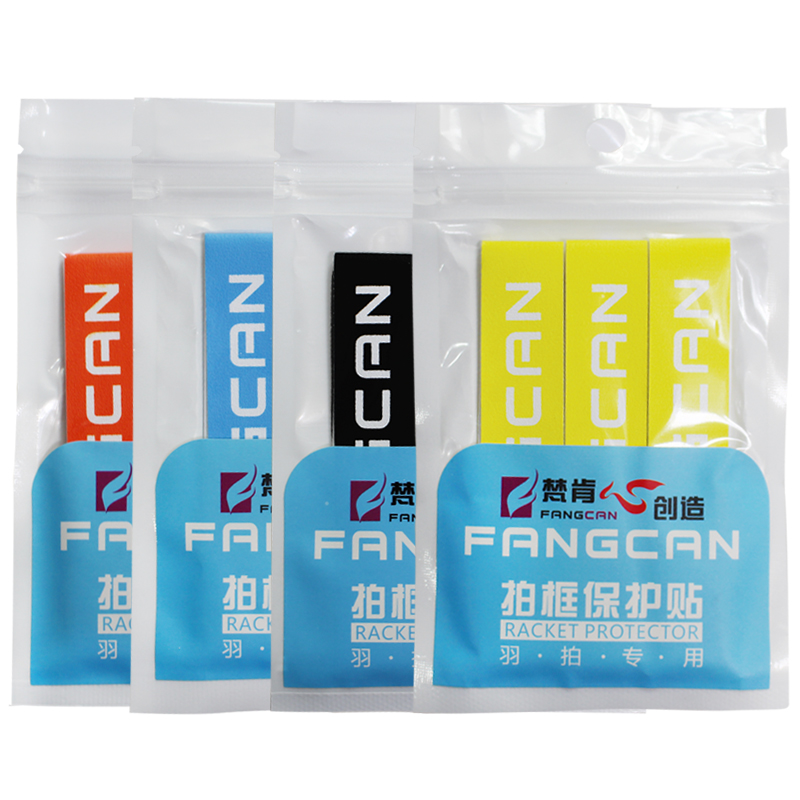
Protective equipment is the trap in this category. Knee supports, wrist sleeves and similar items may fall within personal protective equipment rules in some markets, depending on how they are marketed and what protection they claim. A product sold as “support” and a product sold as “protection” can be in different regulatory categories, and the label follows the claim.
Two rules follow, and both are conservative on purpose. Do not print a CE mark unless the product’s category requires it and the conformity work has actually been done. And keep marketing language descriptive rather than protective — a strap that “supports the tendon under load” is describing a product; one that “prevents injury” is making a claim that brings obligations with it.
Three: importer identification and language
Most destinations require the responsible economic operator to be identified on the product or its packaging, and require instructions in the local language. This is the most common cause of a container being held: correct product, missing name and address.
For procurement, the fix is structural. Decide who the importer is before the artwork is approved, put the name and address block into the label template as a variable field, and require the factory to print it rather than sticker it. A sticker applied at the destination is a cost, a delay and a second chance to get it wrong.
Four: warning text and age marks
Shuttlecocks, balls and small accessories carry choking-hazard and age warnings in many markets, and the wording is prescribed rather than invented. Ask for the exact text, not a paraphrase, and check that it is on the retail pack rather than only on the carton — the carton is discarded before the product reaches the user.
The paperwork to keep with each batch
- Substance declaration against the current restricted list, dated.
- Phthalate statement with test method and lab identification.
- Labelling artwork approved with importer block and local-language text.
- Warning text approved against the destination’s prescribed wording.
- Any claim-related documents if the product is marketed as protective.
- Retained samples, since a compliance dispute is settled by the object, not the file.
None of this is expensive to obtain from a supplier who ships to the destination regularly, and all of it is expensive to obtain after the goods have sailed. Write it into the quotation as a line item rather than as an assumption — the cost of testing is real and it belongs in the price, not in a surprise later.
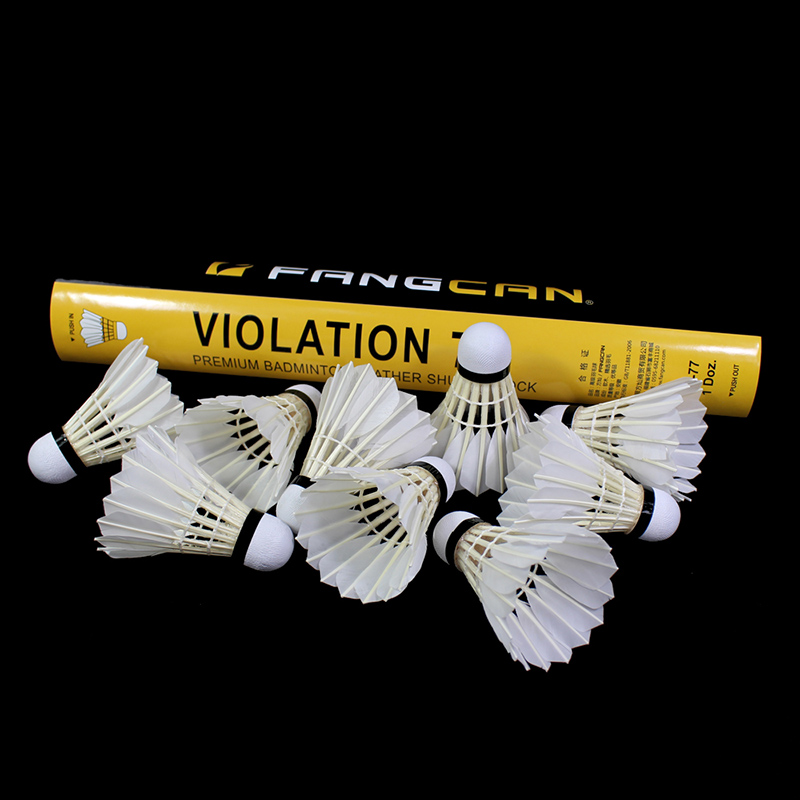
The product side matters too: a factory that already runs consistent material batches finds compliance documentation easy, because the inputs do not change. That is one more reason to look at a stable grade like the selected duck training shuttle rather than the cheapest available — a stable input is a stable file.
Who actually signs the declaration
A substance declaration is only worth what the signature on it is worth. Ask whether it is issued by the factory or by a trading company, and whether the factory will confirm it directly. In practice the second question is the one that matters: a declaration countersigned by the production site is a document you can stand behind with a retailer.
Keep the signature page with the batch record. When a buyer two years later asks for evidence, the useful artefact is not the current certificate but the declaration that covered the goods they bought.
Audit trail, not paperwork volume
Compliance files grow until nobody reads them. A single index page per shipment — listing the declaration, the test reports, the label artwork version and the retained sample location — is worth more than a folder of documents with no dates on them.
That index is also what makes a repeat order faster, because the second shipment can be checked against the same list rather than rebuilt from scratch.