
-
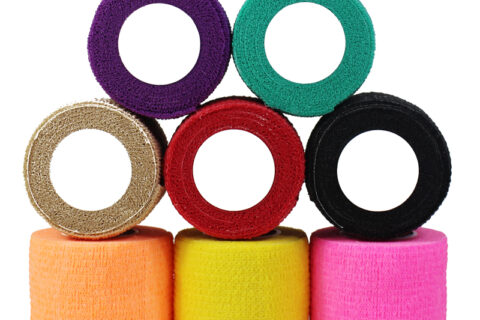
Sports Protection: Tape Widths, Bandage Materials and the SKU Explosion
Three widths at eight colours is 24 SKUs. Width maps to a body part rather than size, and cotton versus non-woven is a situation, not a grade.
-
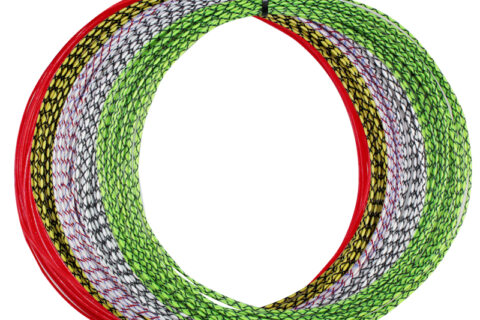
Squash String: Polyester vs Nylon Semi-Gut, and What Cross Colour Really Sells
All four models are 1.20 mm Grade A. The choice is material and packing — cross colour is a visibility feature, not a performance tier.
-
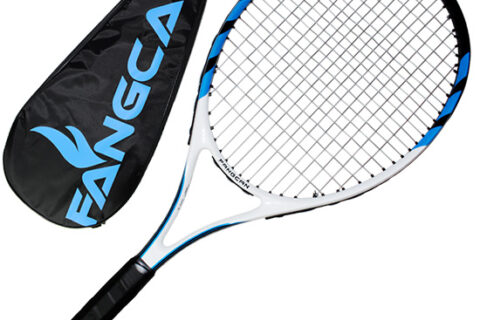
Tennis Equipment for Buyers: The Spec Sheet Trap and Three String Types
Tension and RA are printed on one line — that single shorthand causes most purchase disputes. Plus how nylon, polyester and rough training string split by customer.
-
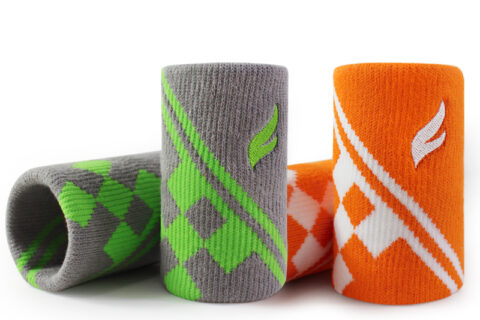
Custom Wristbands: Embroidery, Plastic Drop or Jacquard Patch
The same logo reads as two different price points depending on process. How to match embroidery, plastic drop and jacquard patches to the mark you actually have.
-
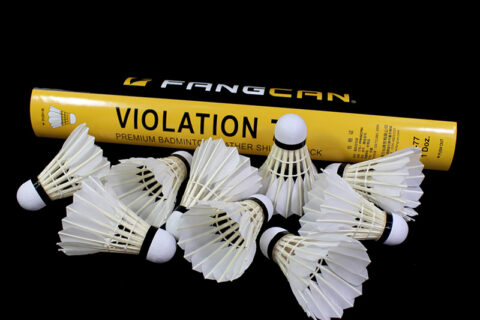
Shuttlecock Grades: Feather Grade, Cork Build and Speed 76 vs 77
Four models, three variables that decide different things: species and grade set durability, cork build sets feel, and speed is about air density rather than quality.
-
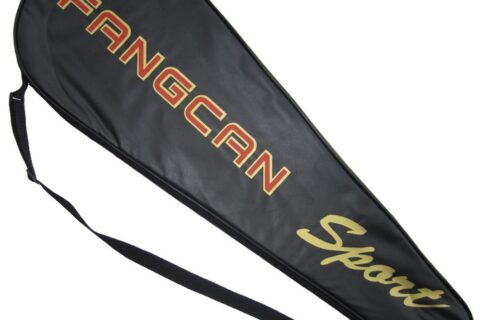
Racket Covers and Bags: What Oxford, Flannel, PU and EPE Actually Protect
Five models use oxford, but their linings split three ways: EPE, non-woven, or nothing. The lining moves your damage rate; the shell only moves how it looks.
-
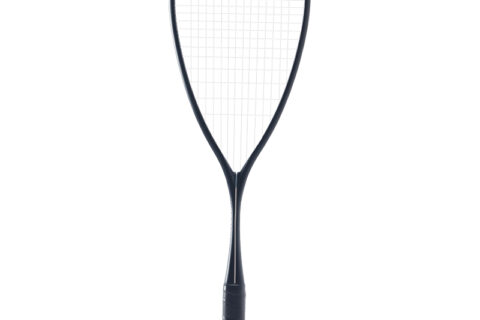
Aluminium-Composite vs Full Carbon Squash Rackets: What 85 Grams Decides
85 to 100 grams apart, nine pounds apart on the tension ceiling, and a cover format that moves your return rate. Material explains it; weight decides it.
-

Squash Ball Dot Colours Are Not a Grade Table
Three balls, identical weight, diameter and rebound ranges — the dot is the only thing that differs. Grade by stated level and court temperature, not by colour.
-

Fiberglass vs T700 Carbon Pickleball Paddles: The Two Dimensions That Decide the Sale
Same 16 mm core, five grams apart on weight — and 20 mm apart on length. Those two numbers decide which customer each paddle actually serves.
-
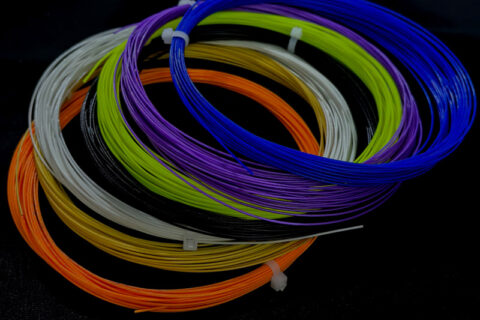
Badminton String Gauge: Ranking 0.66 to 0.72 mm for Buyers
Five gauges, and the tension ceiling is not monotonic. Gauge ranks customers, not products — here is how to set range width, reels against sets, and frame pairings.
