
-
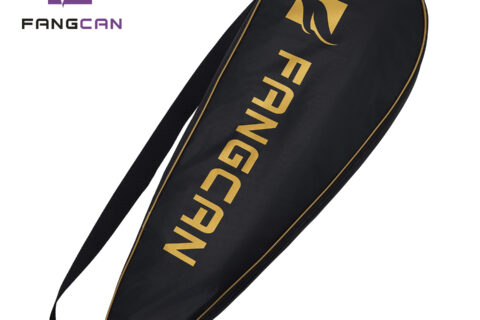
Custom Quotations: Split Tooling, Plates, Sampling and Packaging
Four lines with different natures: two one-off, one creditable, one recurring. Mixing them is how buyers argue about the wrong number.
-

Supplier Scorecard and the Cost of Switching
Five lines to score quarterly, a bench instead of a split order, and the three costs that decide whether switching takes days or months.
-

Sealed Samples and First-Article Approval: Six Items and One Gate
Six things must be fixed with the sample or it is just a unit. And first-article approval is the only gate that can still change the batch.
-
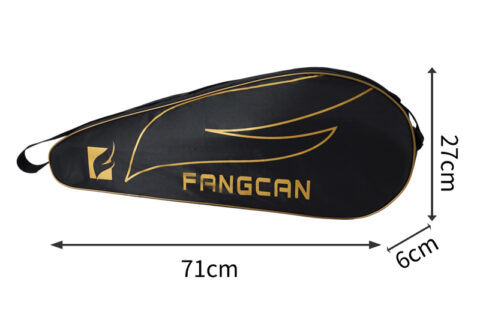
Payment Terms Decide Who Holds the Leverage
The same 30/70 is two different contracts depending on the trigger. Tie the balance to pre-shipment inspection, retain 10–20%, and write the currency basis.
-
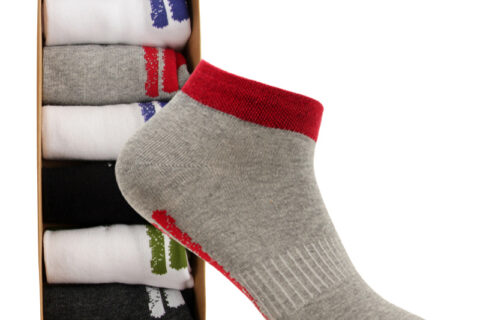
Private-Label Sports Socks: Yarn Ratio, Size Run and Logo Method
Yarn ratio, size run, panel layout and logo method decide whether a private-label sock order repeats. What to put on the specification before sampling.
-
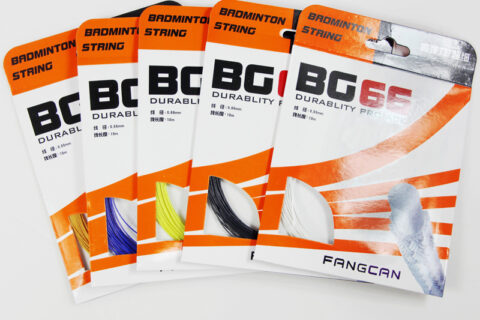
Badminton String From a Chinese Factory: How to Read the Spec Sheet
Gauge, construction, tension ceiling, reel or set. What a badminton string specification actually contains, and the four checks to run before a bulk order.
-
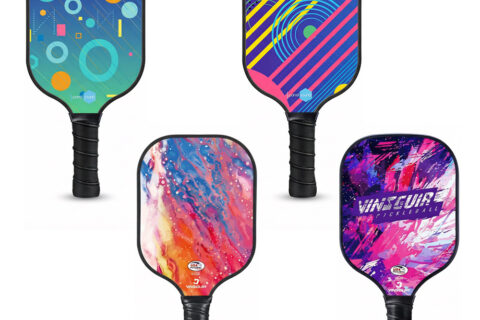
Pickleball Paddle OEM: What to Specify Before the First Sample
A pickleball paddle is four decisions and about ten numbers. Here is the specification sheet we ask for before quoting an OEM or private-label order.
-
A Request for Quotation That Survives Contact: Twelve Fields
Most purchase disputes are written in the first email. Twelve fields — model, tolerance, packing, carton, MOQ, sampling, terms — that make quotes comparable.
-
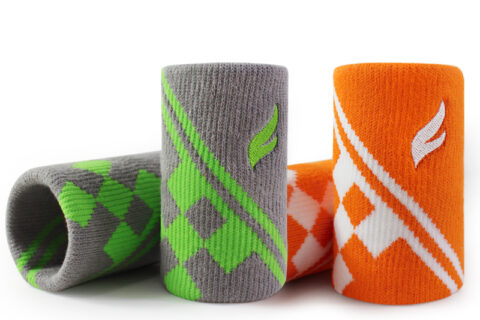
Custom Wristbands: Embroidery, Plastic Drop or Jacquard Patch
The same logo reads as two different price points depending on process. How to match embroidery, plastic drop and jacquard patches to the mark you actually have.
-

OEM/ODM: From Sample to Mass Production
The sequence, the lead times, and the five things a buyer should send in the first message — plus why most first orders fail on information rather than price.
