

OEM/ODM: From Sample to Mass Production
Most first orders fail on information, not on price. A buyer sends a photo, a target price and a quantity; the factory quotes; the sample arrives and does not match what the buyer pictured. Three weeks are gone, and the conversation restarts.
This piece lays out the sequence from first enquiry to mass production, what each stage actually needs from the buyer, and where the delays usually come from. It applies to overgrips, socks, rackets and the rest of the accessory range.
The sequence, and roughly how long each stage takes
1. Specification alignment (2–5 days). The buyer states the use case, target price band, and the specifications that are not negotiable. The supplier confirms what is achievable and quotes. This stage is short if the buyer arrives with numbers, and long if the brief is a picture.
2. Sampling (7–15 days, plus shipping). A pre-production sample is made to the agreed specification. For an existing mould or colourway this is stock-sample speed; for a new decal, a new colour or a new print, add the artwork and proofing loop.
3. Sample approval (buyer-side, 3–10 days). The buyer measures, wears, and signs off — or returns comments once, in a single consolidated list. Splitting feedback across five messages is the most common cause of a second sampling round.
4. Mass production (15–30 days). Driven by quantity, colour count and whether packaging is packed at the factory or shipped loose.
5. Inspection and documents (3–5 days). Pre-shipment check against the approved sample, then export documents.
For a straightforward restock of an approved item, the whole cycle can be four to five weeks. For a new item with custom colour and printing, six to eight weeks is realistic — and worth planning around rather than compressing at the end.
What to send in the first message
- Use case and end customer. Club players, school programmes, retail shelf, promotional giveaway — each implies a different acceptable cost and durability point.
- Target landed cost, not just unit price. State the price band you need to hit after freight and duty; it lets the supplier propose a specification that survives it.
- The specifications you will not move on. Material, thickness, dimensions, weight. For an overgrip, for example, polyurethane at 0.65 mm and 1100 × 25 mm.
- Artwork and branding assets, in files. Vector artwork, colour references (Pantone if you have them) and logo placement. A photo of a previous product is not artwork.
- Packaging and compliance needs. Retail unit format, barcode ownership, and any labelling your market requires.
Sampling cost, and who owns the sample
Sampling is normally charged. That is not a negotiating position, it is a real cost of setting up a run — and a supplier who offers endless free samples is usually either reusing a stock item or planning to recover it in the unit price.
The two things worth agreeing in writing at this stage: whether the sampling fee is credited against the mass-production order, and whether the tooling or print setup remains usable for your future orders. The second one matters more than the first if you intend to build a range rather than place one order.
OEM or ODM — which one you are actually asking for
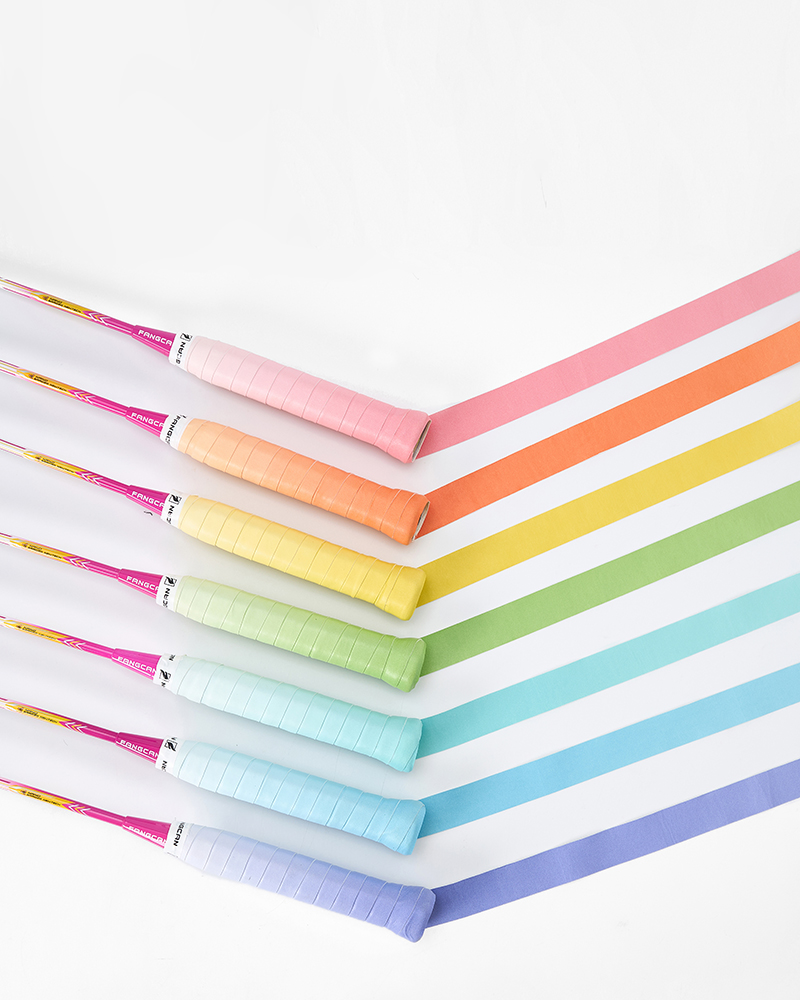
OEM means the buyer’s specification and the buyer’s brand on an existing production capability: same construction, your decal, your packaging.
ODM means the supplier’s existing design, adapted to your colour and branding. It is faster and cheaper, and it is the right answer when you need a range quickly rather than a differentiated product.
Most first orders are ODM in practice, even when the buyer asks for OEM. Being explicit about which one you want prevents the most expensive misunderstanding in the process: expecting a custom construction on an ODM timeline and budget.
Inspection and documents
Agree the inspection basis before production, not after. The practical minimum is: an approved sample held by both sides, a written list of the checkpoints that matter for that product (thickness, weight, colour, pack count), and a stated sampling level. A pre-shipment inspection against an approved sample catches almost everything that a final inspection at destination would catch — at a fraction of the cost, because the goods are still at the factory.
On documents, confirm early who provides what: commercial invoice and packing list from the supplier, plus whichever certificate your market requires. Discovering a missing certificate at the port is the single most expensive form of delay in this process.
Where the delays actually come from
- Feedback split across multiple messages — each round restarts the sampling queue.
- Artwork arriving as a photo or a low-resolution file — the proofing loop has to start from zero.
- Specification changing after the sample — thickness, colour or pack format changed at approval stage effectively means a new sample.
- Packaging decided last — bag, header card and barcode are production steps, not afterthoughts; deciding them at shipping time adds days.
What we need from you
We manufacture badminton rackets, overgrips, socks and accessories, and we run both OEM and ODM programmes. If you are preparing a first order, send the five items above — use case, landed cost target, fixed specifications, artwork files and packaging requirements — and we will reply with a specification, a sampling plan and a realistic timeline instead of a bare unit price.
For the specification side of overgrips specifically, the sourcing guide covers material, thickness and colour coverage in detail.
Notes
- Lead times quoted are typical ranges for small-to-mid volume accessory orders and vary with quantity, colour count and season.
- No commercial terms, prices or volumes are stated here; those belong in a quotation.