

Racket Storage: What Heat Does to a Frame
Every racket sold in a hot climate spends part of its life in a place it was not designed for. A car parked in the sun reaches interior temperatures that no data sheet accounts for, and a warehouse with a metal roof can hold that heat for hours after sunset. The frame survives it, mostly — but “mostly” is the word that generates warranty claims nobody can adjudicate.
The useful procurement question is not whether heat damages a racket. It is which part of the racket loses performance first, and what you can put in writing so the answer does not become a dispute.
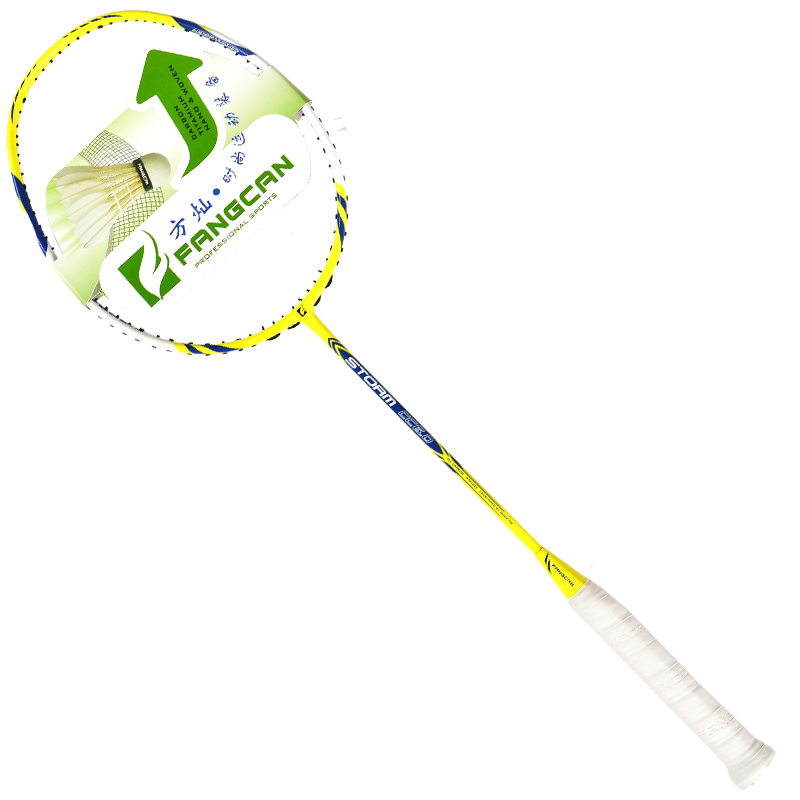
What the frame actually is
A carbon frame is fibre held in a cured resin matrix. The resin has a glass transition temperature — the point where it stops behaving like a rigid solid and starts to creep under load. For the epoxy systems used in racket production that point sits well above any car interior, which is why a frame does not visibly deform in a hot boot.
The problem is that a strung frame is under continuous load, and load plus repeated exposure to elevated temperature moves the material slowly rather than dramatically. A frame that lives in a hot car does not fail in one afternoon; it loses the alignment between its sections over a season, and the customer experiences that as a racket that has gone soft without anything having happened to it.
String is the first thing to go
String loses tension faster in heat than in any other condition, and the loss is not recoverable. A polymer held at tension relaxes faster as temperature rises, so a frame left strung in a hot car for weeks comes back playing several pounds looser than it went in. The customer will describe this as the string “dying”, and they are technically correct.
This is worth putting on the care card, because it changes behaviour: players accept that string is a consumable when the mechanism is explained, and they resent it when it is not.
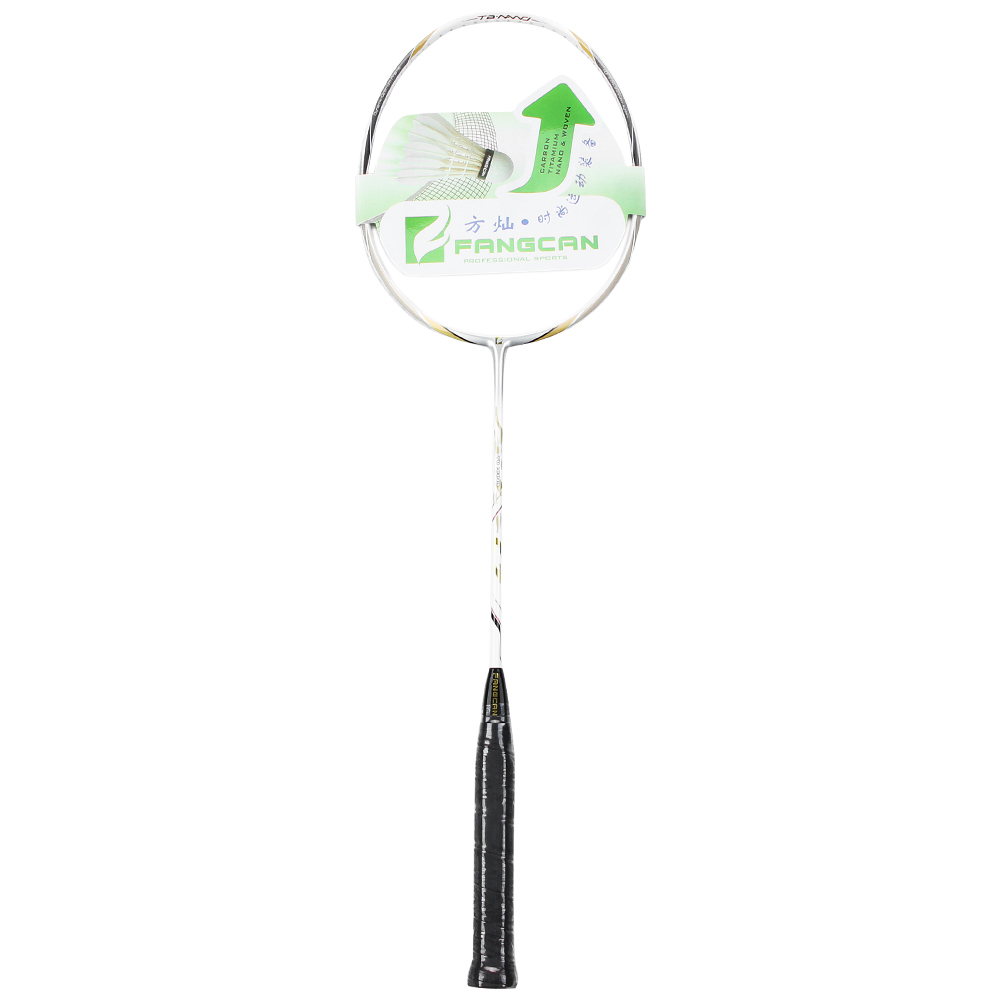
Grip and glue are the visible failures
Overgrip adhesive softens first, and the failure looks like a product defect — the tape lifts at the end and will not stay down. Handle foams and the adhesive under the butt cap behave similarly. These are the parts that turn a storage problem into a complaint about quality, and they are also the parts a buyer can defend against by specifying the adhesive and the storage conditions on the packaging.
What to specify, and what to print
- Resin system and its stated service temperature, in writing.
- Recommended storage below a stated ceiling, and out of direct sun.
- A care note telling the customer to cut and remove string before long storage.
- Adhesive type for grips and butt caps, with a heat-resistance figure.
- Carton and container conditions for shipment, since the crossing is a heat event too.
The care note is the cheapest item on that list and the one with the highest return. A frame stored unstrung survives a summer; a frame stored strung at 28 pounds for three months does not come back the same. Telling the customer that before they leave the shop is worth more than any claim procedure after.
What this means for a range
For a distributor in a tropical market, heat is a product-design input rather than a footnote. Matte finishes with thick clear coats tolerate handling and heat cycling better than thin gloss; grips with acrylic adhesive stay put; and models specified with a conservative tension ceiling arrive at the customer closer to how they were tested.
If you are comparing two frames in the same price band, the difference that matters over a season is often not the carbon content but the resin and the finish. The CC6.0 and the STORM 90 share a construction family and differ in surface treatment; buyers who test them through a hot season are testing coating and cure, not marketing.
And when a frame does come back soft, the grading approach is the only way to settle it: separate storage damage from manufacturing fault before anyone promises a replacement, because the two look identical in a photograph and completely different in a workshop.
What a warranty actually covers
Most racket warranties exclude damage caused by storage, and almost none define what storage means. That gap is where claims get argued. A buyer who wants fewer arguments should ask the factory to state a storage temperature range in the warranty document itself, so the boundary is visible before a failure rather than after.
Where no figure is offered, use the one from the resin supplier rather than inventing one, and write it into the care card as guidance rather than as a term. Guidance prevents the failure; a term only allocates blame for it.
Drying a frame that has been damp
A frame that has been in a humid bag for a season does not need heat to recover — heat is what caused the problem. Air movement at room temperature for a few days does more than any direct heat source, and a hair dryer or a radiator will move the resin in ways the frame was never tested for.
The same applies to grips: a damp grip dried on a radiator hardens and stops gripping, which turns a recoverable item into a replacement.