
-
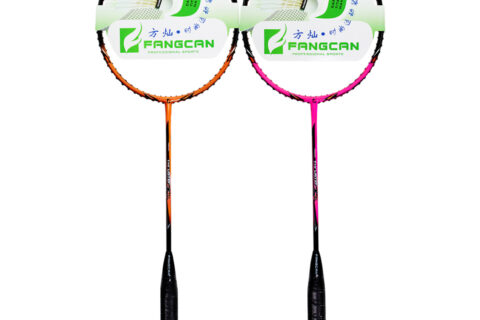
Badminton Racket Range: Band by Tension Ceiling, Not by Model Name
Twelve frames collapse into three bands once you sort by maximum tension and balance. 280 against 295 mm is the defence-attack divide, and all-3U leaves a gap.
-

Basketballs: PU vs Rubber, and Two Models With Identical Specs
Same size, same weight band, same usage line on all three. The real decision is the floor — and FCB-11 against FCB-12 needs an explanation before you stock both.
-
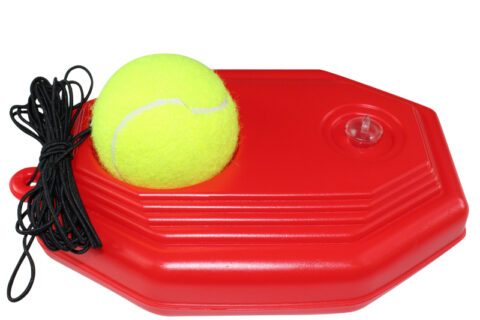
Tennis Trainers: Capacity Decides Stability, Not the Rebound Figure
All three versions spec 3.8 m cord and 7–8 m rebound. What separates them is 0.8 L against 1.2 L of fill weight — and corded against plain training balls.
-

Racket Covers and Bags: What Oxford, Flannel, PU and EPE Actually Protect
Five models use oxford, but their linings split three ways: EPE, non-woven, or nothing. The lining moves your damage rate; the shell only moves how it looks.
-
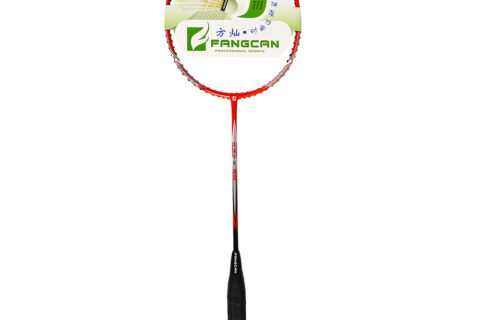
3U vs 4U Badminton Rackets: What the Weight Class Actually Changes
3U and 4U are the two weight classes that decide most badminton purchases. This is what each one changes — power, swing speed, fatigue and who each is actually for — and how to choose a range for your market.
-
Badminton Racket Market 2026: Size and Material Trends
The global badminton racket market hit USD 2.02 billion in 2026, growing at 5.74%. Where demand is concentrated and what it means for makers.
