

How Rackets Arrive: OPP Bag, 3/4 Cover, Full Cover or Set
The column buyers skip most often when ordering rackets is packing. Most models state: one strung racket, no cover, in an OPP bag. It reads like a packaging note. In practice it decides how many extra steps sit between the container and the shelf.
Four arrival formats, four workloads
| Format | Typical wording | Protection limit | Work to shelve |
|---|---|---|---|
| OPP bag | Strung, no cover | Dust only, no cushion | Add a cover or accept flat display |
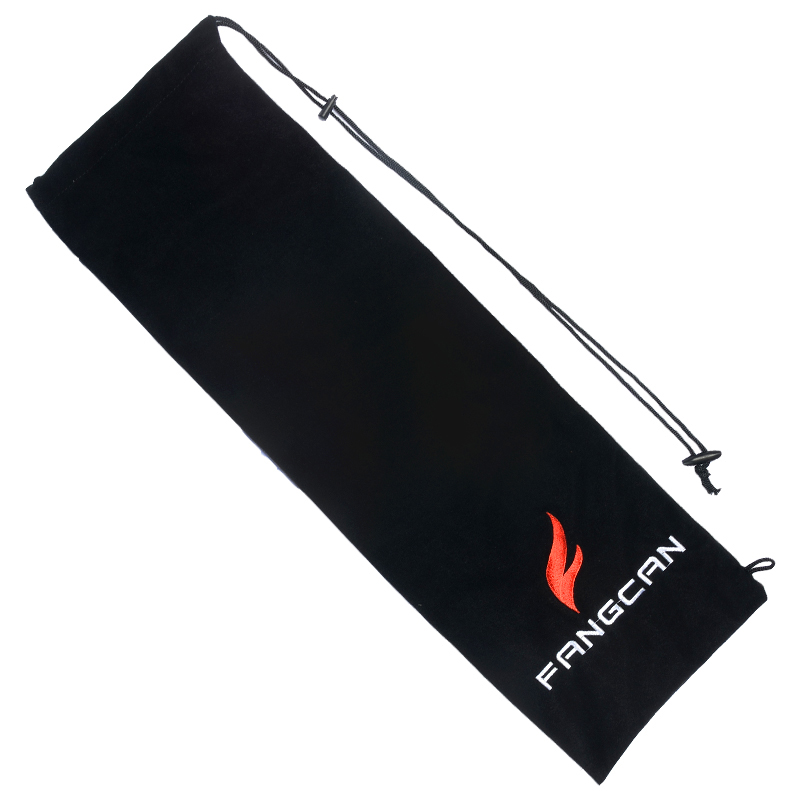
| 3/4 cover | 3/4 cover included | Head protected, shaft exposed | Hangs directly |
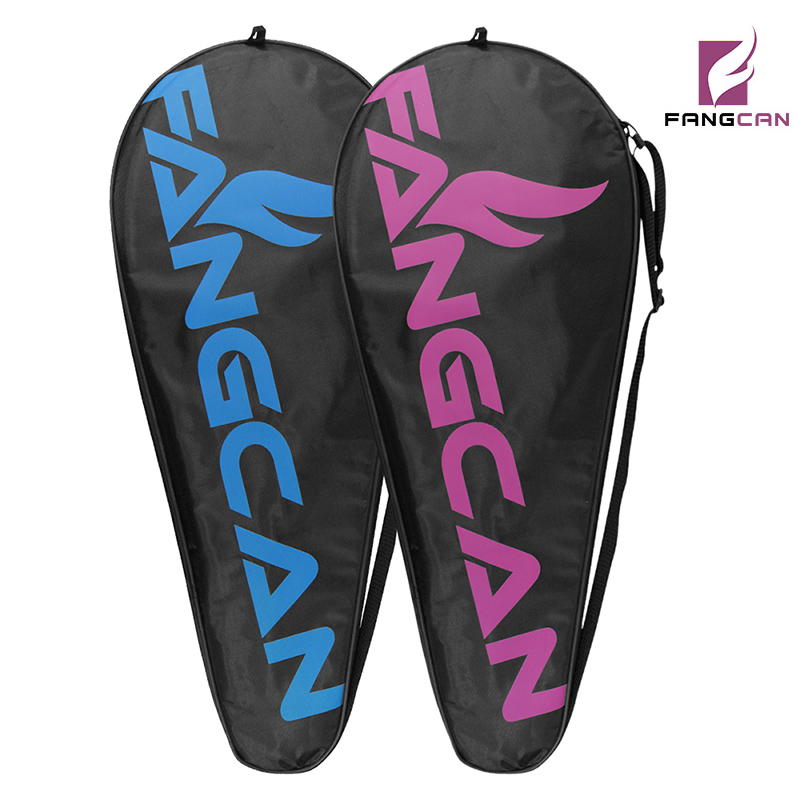
| Full cover | Full cover included | Whole frame protected | Shelf-ready on arrival |
| Set | Racket + balls + bag | Carton structure | Play or gift straight out of the box |
These are not a good-better-best ladder; they are four different labour loads. The OPP bag is cheapest, but on arrival you either add a cover or accept that the product has no shape on a shelf. A full cover costs more, yet removes the fittings work and the second purchase.
The real OPP risk is not scuffing
An OPP bag stops dust. The problem is not that it looks cheap — it is that nothing in the transit pack absorbs impact. A racket is a long rigid body, most vulnerable to point loads: a crushed carton corner, a head striking a hard edge. The usual outcome is a frame that looks fine but carries hidden damage, discovered by the end customer, reported as a quality fault when the cause is the packing format.
So when buying OPP-packed, the carton has to supply the cushioning: individual compartments, corner protection at the head, no empty voids. Those three belong in the order specification, not in a warehouse workaround after arrival.
A second point often missed is string age. Most frames arrive strung, and tension falls over time. Models that sit in stock should be restrung before sale — more visible with OPP packing, because the customer feels the slack the moment they open it.
3/4 cover against full cover: how far down the frame it protects
A 3/4 cover protects the head and frame; the shaft and handle stay bare. It saves space on display, but the shaft is exactly what gets marked when cartons are stacked.
A full cover wraps everything, at the cost of volume — fewer rackets per carton, and volumetric weight makes shipping dearer. It is a clean trade: save freight or save after-sales.
Our squash range runs both. The two aluminium-composite models ship with 3/4 covers, the two full carbon models with full covers. That split makes sense — entry frames are price-sensitive and cannot absorb packaging cost, while professional frames carry a higher ticket and benefit from a better unboxing.
The set format sells “playable today”
The two pickleball products make the contrast clearest: the T700 is one paddle plus two overgrips in a box; the fibreglass version is two paddles, four balls and a bag. The first is an upgrade or a gift; the second lets two people walk onto a court.
The set shortens the conversion path — the customer does not have to work out what else is missing. The cost is a more complex price structure, balls inside that are consumables, and volume taken by the bag. Cost it in parts: paddles and bags by the set, balls as their own SKU, or the set stalls once the balls wear out.
How to plan: treat packing as a cost line
One, decide how it will be displayed. Hanging, standing, or drop-shipped? That single answer decides whether a full cover is required. Hanging tolerates 3/4; standing needs a full cover to hold shape; direct shipping tolerates OPP but demands carton cushioning.
Two, stock covers as their own SKU. For models that need fitting, order covers in proportion to rackets — do not discover the shortage the week before launch. Covers also differ by lining (EPE against non-woven), and transit work needs EPE.
Three, cost the volumetric weight. Full covers and sets add volume fast. On air and express freight this can take several points of margin, and it has to be in the landed cost before the order is placed.
Four, agree who owns transit damage. With OPP packing, write down whether the shipper owns carton structure or the receiver carries the risk. A clause is worth more than an argument later.
Frequently asked questions
Can OPP-packed rackets be sold at retail as-is?
Yes for direct online shipping. Physical display needs shape and a hang point, which an OPP bag cannot provide.
Can covers be bought separately?
Yes, and they should be. Covers are a low-cost, sellable accessory; stocking them in proportion to rackets is the flexible route.
What about long-stored strung rackets?
Restring before sale. Tension decay is physics, not a defect, but customers read it as one.
Are sets always easier to sell than singles?
No. Sets suit beginners and gifting; singles suit upgraders. Different customers — carrying both is what makes the range complete.
Want a packing and assembly plan?
If you are deciding arrival formats for the next order — which models need full covers, which can stay in OPP, how many covers to stock — send us your channels and display method and we will return a combination with landed cost worked through. Talk to our team.