

Badminton Racket Range: Band by Tension Ceiling, Not by Model Name
Badminton racket ranges are the easiest place to be misled by model names. STORM, TURBO, NANO RAY, ARES, N90, VOLTE — it reads like six tiers. What actually determines use is two numbers: maximum tension and balance point. Sort by those two columns and a dozen frames collapse into three bands, with the name becoming secondary information.
Three bands by tension ceiling
| Band | Models | Weight | Balance | Max tension |
|---|---|---|---|---|
| Entry | OUR HOME, FOREVER 999 | — | 280 ± 10 mm | ≤ 20 lbs |
| Intermediate | STORM CC6.0, STORM 90, TURBO 77, TURBO N9, TB NANO C7, NANO RAY 9900 | 3U 84–88 g | 285–295 mm | 20–24 lbs |
| Advanced | THRUSTER K15, DARKNESS KING 6100, N90II, N90III, VOLTE A911, ARES 80, BR124 | 3U 84–89 g | 285–295 mm | 25–35 lbs |
The dividing line is not price — it is how much tension the frame will take. Pull 26 lbs into a 20 lb frame and you are gambling with the frame; pull 22 lbs into the 35 lb N90III and you have paid for structural headroom nobody uses.
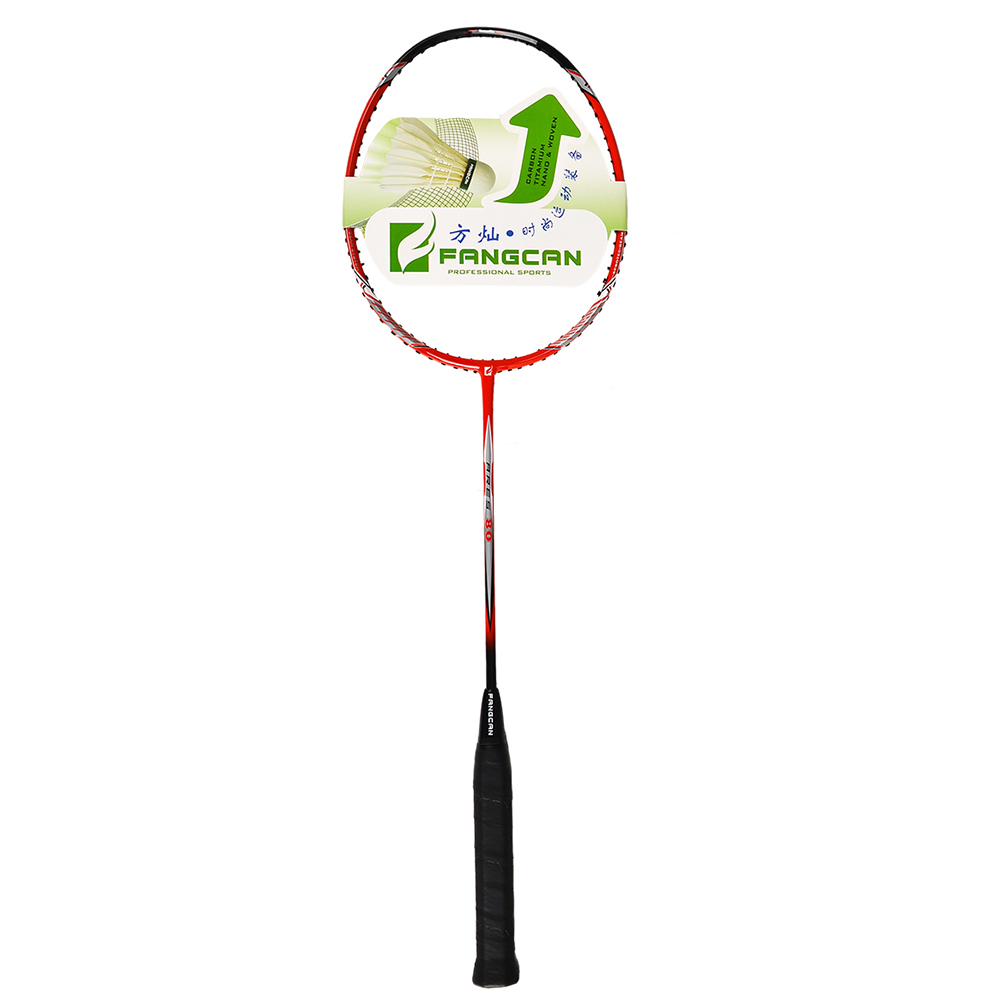
Balance 280 against 295: defence versus attack
Balance point is the centre of gravity measured from the butt. A higher figure puts mass toward the head — heavier swing, more power. A lower figure keeps it nearer the handle — faster swing, quicker defensive transitions.
Our range clusters tightly: 280 mm at entry, 285–295 mm through the intermediate and advanced bands. The THRUSTER K15 sits at 295 mm, clearly attack-oriented; the NANO RAY 9900 is 290 mm but labelled “pro/defence” — which tells you balance alone does not settle the character of a frame. Shaft stiffness and frame section do the rest.
For a buyer the practical point is that a 5 mm difference can carry two different marketing claims. If a customer compares two frames with near-identical specs at different prices, you need a real explanation or they will simply take the cheaper one.
Weight: 3U carries the range, but it is not the whole market
Almost every model here is 3U (84–89 g); only the two entry frames leave weight unspecified. 3U is the amateur mainstay — steadier than 4U, easier to swing than 2U, right for most adult players.
But an all-3U range has no weight segmentation. Where the customer base includes juniors, women beginners or advanced players who prefer a lighter frame, 4U models are needed. A missing weight band costs more sales than a missing model, because a customer cannot change the weight — only the brand.
Within a band, the differences are what justify price
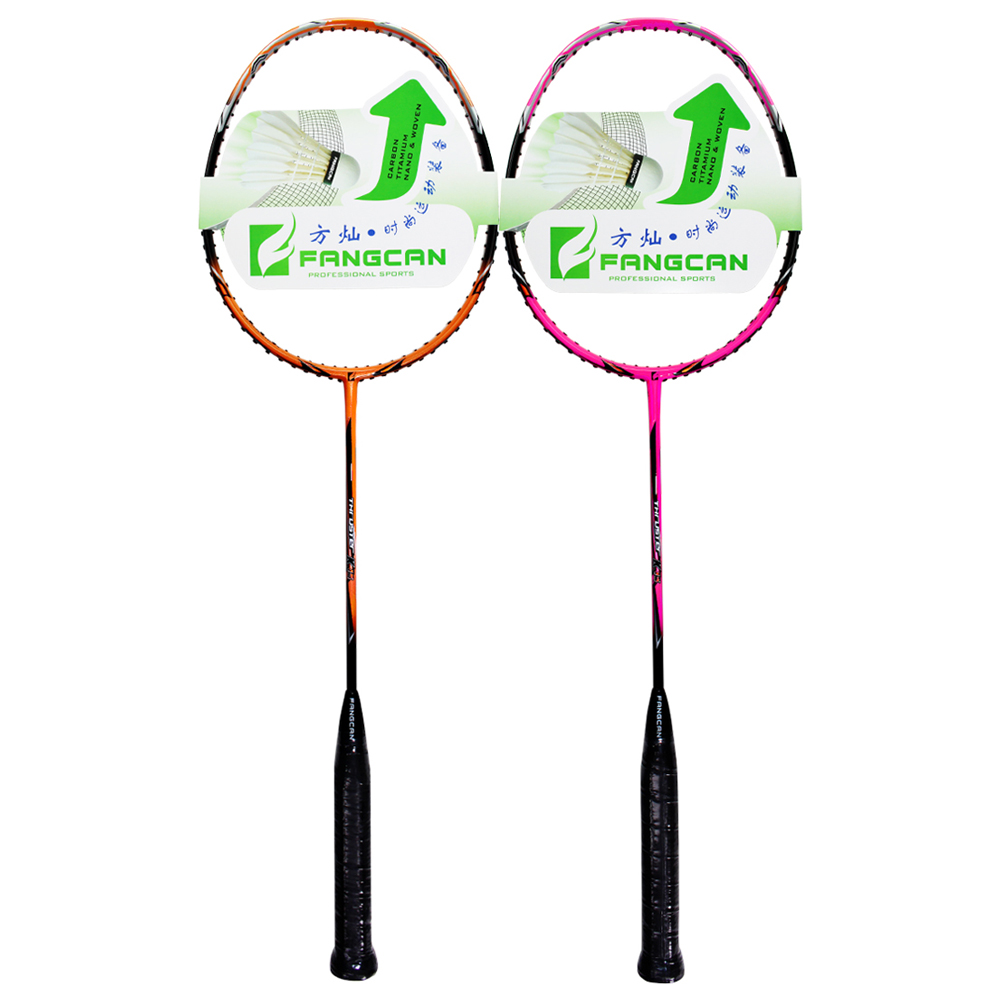
Frames inside one band are often very close. In the intermediate band, TURBO 77, TURBO N9 and TB NANO C7 are all 3U 84 g, 285–290 mm balance, 24 lbs ceiling — differing mainly in paint, fittings and packing format.
That means price cannot rest on “newer model”. It has to rest on verifiable differences: paint process, whether a cover is included (most ship in an OPP bag without one), and whether the frame arrives strung. A customer can see all three, so a clear explanation supports the gap.
Conversely, if two frames share paint, fittings and packing, they should be merged into one SKU. More models is not a more complete range; it is heavier inventory.
How to plan the buy
One, band the customers by tension ceiling. Under 20 lbs for schools, corporate events and entry retail; 20–24 lbs as the volume band; above 25 lbs only where there is real stringing demand. This is far more reliable than sorting by name.
Two, split by balance. Below 285 mm leans defensive and quick; above 290 mm leans attacking. One model each per band covers the base.
Three, add a weight band. All-3U is not enough. Juniors and women need 4U, and missing it loses the sale outright.
Four, price the packing. Most frames ship strung, without a cover, in an OPP bag. If retail needs a shelf-ready unit, the cover is bought separately and that cost belongs in the price.
Frequently asked questions
Is a higher tension ceiling better?
No. A higher ceiling means the structure tolerates more tension, which only matters to players who need it. Selling a high-ceiling frame to a beginner means paying for structure they never use.
Do two frames with the same balance play the same?
Not necessarily. Balance describes static weight distribution; shaft stiffness and frame section change how it actually swings. When specs converge, test or ask for a play-feel note.
Strung or unstrung on arrival?
Most models arrive strung. That is convenient at retail, but string tension declines with age, so long-held stock should be restrung before sale.
How do I simplify a large model list?
Band by tension ceiling first, keep two or three models per band, and merge anything with identical specs and packing. That usually removes about a third of the SKUs without losing coverage.
Want a banding plan for your racket range?
If you are rationalising the badminton line — how many models per band, where to add weight, how to cost packing — send us your current models and customer base and we will return a keep-list built on tension ceiling and balance. Talk to our team.