

Six Layers of a Racket Retail Buy: Traffic, Ticket, Attachment
The commonest purchasing mistake is budgeting by “which model sells best”. The best seller is usually the cheapest item, while what determines whether the whole buy makes money is consumption rate multiplied by repeat frequency — two numbers that never appear on a purchase order and can only be inferred from category structure.
Break our range into layers and a racket retailer’s buying structure comes out at six. Each has a different role, turnover and capital weight.
Six layers: what brings traffic, what earns, what ties up cash
| Layer | Category | Role | Capital |
|---|---|---|---|
| 1 | Shuttlecocks, squash balls | High-frequency traffic, drives return visits | Low |
| 2 | String: badminton, tennis, squash | Mid-frequency, service-driven repeat | Medium (reels) |
| 3 | Overgrips, finishing tape, base film | High-frequency small items, sold in bundles | Low |
| 4 | Rackets: badminton, tennis, squash | The ticket value | High |
| 5 | Covers and bags | Attachment, also sellable alone | Low to medium |
| 6 | Protection, trainers, socks | Extensions that lift basket size | Medium |
What matters is not the number of layers but the distribution of cash: layers 1 and 3 should hold more than half the SKU count on roughly twenty percent of the money, while layer 4 does the opposite — few SKUs, heavy capital. Invert that and the warehouse fills with frames while the balls customers want run out.
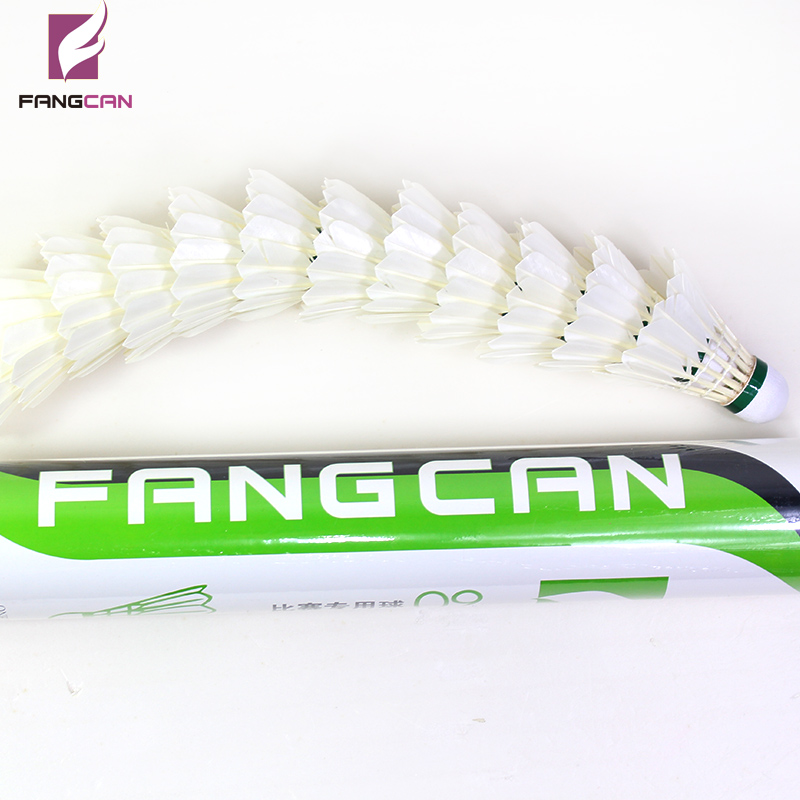
Layer 4 depth: by tension ceiling and balance, not by model count
Rackets carry the most cash and are the easiest layer to over-widen. With a dozen badminton models, stocking every one spreads capital so thin that each model holds one or two units — and the model a customer asks for is always the one missing.
A more effective approach: band by tension ceiling, then pick two balances per band. Entry (≤20 lbs), intermediate (20–24 lbs), advanced (25 lbs and above); within each band keep one defensive frame (balance below 285 mm) and one attacking frame (above 290 mm) — an ARES 80 at 28 lbs is an obvious advanced-band pick. Six positions cover most of the base, the model count drops from a dozen to six, and depth per model rises immediately.
Squash follows the same logic: two aluminium-composite frames (198–230 g) cover entry, two full carbon frames (130–145 g) cover professional. The gap in the middle needs no filling — it is the natural distance between two customer groups.
Layers 1 and 3 width: by climate and use, not by colour
Overgrips are the clearest case: in humid markets dry grips out-repeat tacky ones, and copying a temperate assortment produces dry stock-outs with tacky stock sitting. Balls work the same way — the training-to-tournament ratio depends on whether your base is schools or clubs.
Both layers want few models, trimmed colours, deeper stock: three to five models, four or five core colours, the rest made to order. Low-ticket profit comes from turnover, not from choice.
Layers 5 and 6: where attachment is won
Covers and bags are not merely accessories. Most frames arrive in an OPP bag without a cover, which means retail has to assemble the unit before it can be shelved — at that point a cover is a necessity, not an option — a FCBC-03 1–2 racket cover is the usual fitting piece.
Protection, trainers and socks are extensions: they bring no traffic but lift each basket. Buy them narrow — one or two models per subcategory, added only once the data supports it.
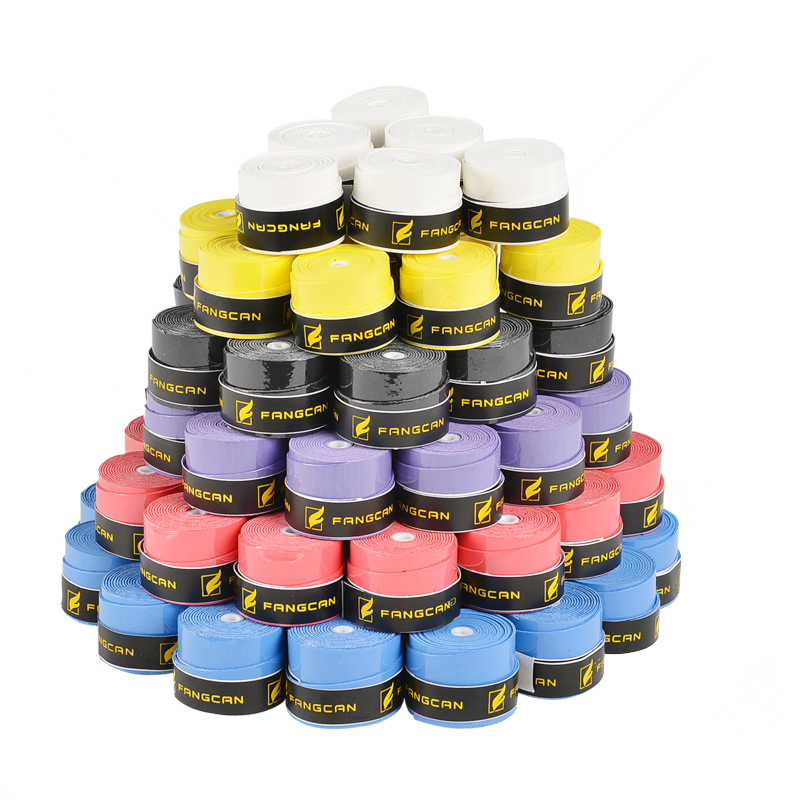
Budget split: a workable starting point
Start here for year one, then adjust on real data:
Rackets 40%. The ticket driver, but hold the model count down and put the money into depth across six positions.
Consumables and accessories 30%. Balls, string, grips, finishing tape, base film. This is the turnover engine — better slightly long than out of stock.
Fittings and extensions 20%. Covers, bags, protection, trainers.
Reserve 10%. For restocking something that takes off, or seasonal buying. Without a reserve, a breakout item means waiting for the next shipment.
These are not universal answers, but the structure is right: money where it turns, space where it lifts the basket.
Frequently asked questions
Does fewer models hurt customer choice?
Somewhat, but less than a stock-out does. Six positions cover most of the base; the remainder is handled by order lead time, which is healthier than one unit of everything.
Can consumables carry that much share and still make margin?
Consumable margin is fine; the issue is ticket size. Their value is bringing the customer back, which then sells frames and fittings.
Should a new shop start with protection and trainers?
Test narrow — one or two models per subcategory, three months of attachment data, then decide.
How do I know a layer is too wide?
Two numbers: stock-out count and slow-moving share. Frequent stock-outs mean insufficient depth; heavy slow stock means excessive width. Read them together, not against sales alone.
Want a category structure review?
If you are setting next year’s buying structure — how the six layers split, how many models each carries — send us your channels and customer base and we will return a combination with budget ratios. Talk to our team.