

A Request for Quotation That Survives Contact: Twelve Fields
A sloppy request for quotation costs more than it saves. You ask “how much for this racket”, get a number back, and only discover on arrival that the tension ceiling is wrong, no cover is included, the carton holds twenty units and sampling was billed separately. The argument was set up in the first email.
Fill in these twelve fields before sending, and most of that disappears.
1. Identity and spec: lock down what it is
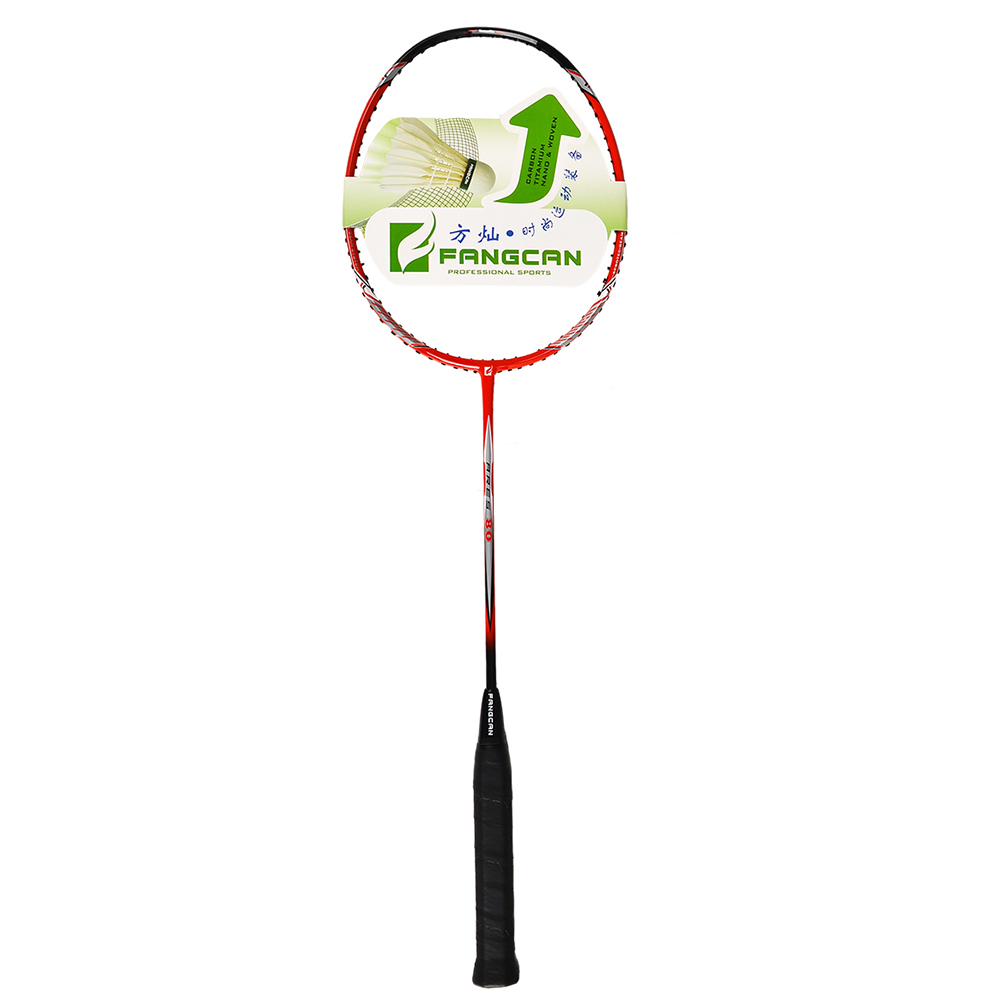
Model and item number. “Badminton racket” is not a specification. Go to the level of ARES 80 and have the supplier confirm the code back in writing, so two suppliers cannot quote two different products under one name.
Key parameters and tolerances. For frames: maximum tension, weight, balance, length. For string: gauge and tension ceiling. For balls: weight, circumference, speed. Tolerances must be stated — 3U (85 ± 2 g), not “about 85 g”. A centre value without a tolerance is not a constraint.
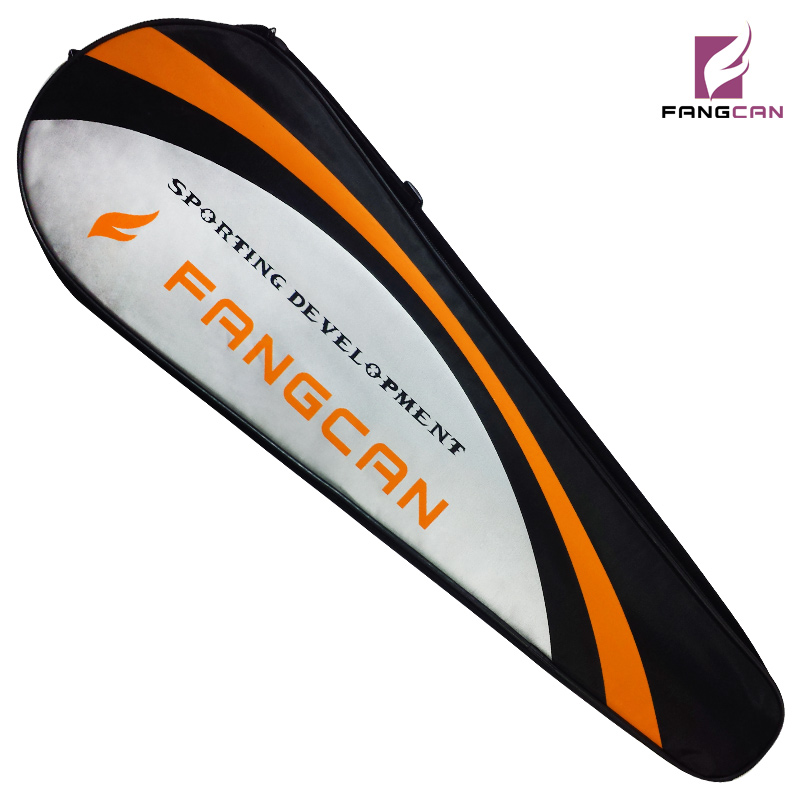
Material and construction. Carbon content, frame shape, string pattern. For covers, name the shell and the lining — oxford with EPE and oxford with non-woven are different products.
Colours and the colour list. Say whether colours are selectable or fixed, and whether each colour carries its own minimum order quantity.
2. Packing and logistics: the second most-skipped block
Arrival packing format. This one changes everything downstream. Most of our frames ship strung, without a cover, in an OPP bag; the aluminium-composite squash models ship with a 3/4 cover, the full carbon ones with a full cover. The same racket under a different packing sentence means a different amount of work at the warehouse.
Units per carton, carton dimensions, gross weight. With those three numbers you can cost volumetric weight yourself, instead of discovering the freight bill later.
Inner packing requirements. An OPP bag absorbs nothing. Corner protection at the head and compartmentalised cartons must be written into the order, not assumed as “standard”.
3. Commercial terms: the boundary of money and time
MOQ and tiers. State the minimum per model per colour, and whether mixed models combine towards it. Many quotations give a single headline MOQ; the surprise arrives when each colour has its own threshold.
Sampling fee and its treatment. How much, whether it is credited against the bulk order, and whether a sample can be retained as the sealed reference. Without a sealed sample, the first bulk shipment has nothing to be measured against.
Lead time and partial shipments. “X days after sample approval”, and whether that is production time or includes material lead time. Ask separately whether split shipments carry a surcharge.
Payment terms and inspection point. Deposit percentage, what triggers the balance (pre-shipment inspection or on arrival), and the claim window. This is where disputes concentrate; a clear clause is worth more than two points off the price.
Quote validity and currency basis. Cross-border quotes are usually valid for a limited window. State the validity, and whether the price includes tax, includes freight, and which exchange rate applies.
Why a template is worth the effort
Because the cost of missing one field is asymmetric. Two points saved on price can be eaten several times over by one packing mismatch, one volumetric-weight overrun, or one unresolved claim.
The bigger benefit is comparability: send the same form to three suppliers and the replies line up. Without it, each supplier answers in their own format and you spend time translating their basis into yours — which is where errors creep in, and where people quietly skip the step.
The template does not need to be elaborate. Twelve rows is enough. What matters is filling it every time, including with suppliers you have used for years.
Three ways this form gets filled in wrong
A category instead of a model. “100 badminton rackets” will come back quoted against the most generic configuration available, which is rarely what you meant.
Tolerance written as “approximately”. “About 85 g” has no contractual force. Write (85 ± 2 g).
Packing written as “standard”. Standard according to whom? Specify: OPP bag, cover included or not, units per carton, corner protection.
Frequently asked questions
Should I give a target price at quotation stage?
Give a range, not a number. A range tells the supplier whether it is workable without spending your negotiating room in the first email.
What if the MOQ will not move?
Two levers: narrow the colour count and trade a single-colour volume for a lower threshold, or start with existing colourways and negotiate custom colours after you have sell-through.
Is the sampling fee always payable?
Usually. What matters is whether it is credited on the bulk order — and whether the sample can be kept as the sealed reference, which is worth more than the fee.
Does the quote include freight?
Confirm line by line: ex-works, FOB, or landed. Mixing the three bases produces a comparison with no meaning.
Want a ready-made RFQ template?
We can send a completed twelve-field template per category — frames, balls, string and accessories each need slightly different fields. Tell us the categories you buy and we will return a version you can send straight to a supplier. Talk to our team.