

How Much Should the First Order Be?
First orders are usually too small to be efficient or too large to be safe, and the reason is almost never judgement — it is that only one of three constraints got used. This piece sets out the three, and the arithmetic for taking the smallest.
It applies to any accessory range: overgrips, socks, wristbands, small training items. No platform figures, no store data — just the three numbers a buyer already has before the first enquiry.
Constraint one: turnover
Turnover sets the ceiling. Take the weeks you realistically expect a batch to sell through, and multiply by the weekly rate of sale you actually see — not the rate you hope for. That gives the largest order you can carry without parking working capital on a shelf.
The trap is using a forecast instead of an observation. If the product is new, there is no observed rate; use the closest comparable you sell, and discount it.
Constraint two: presentation
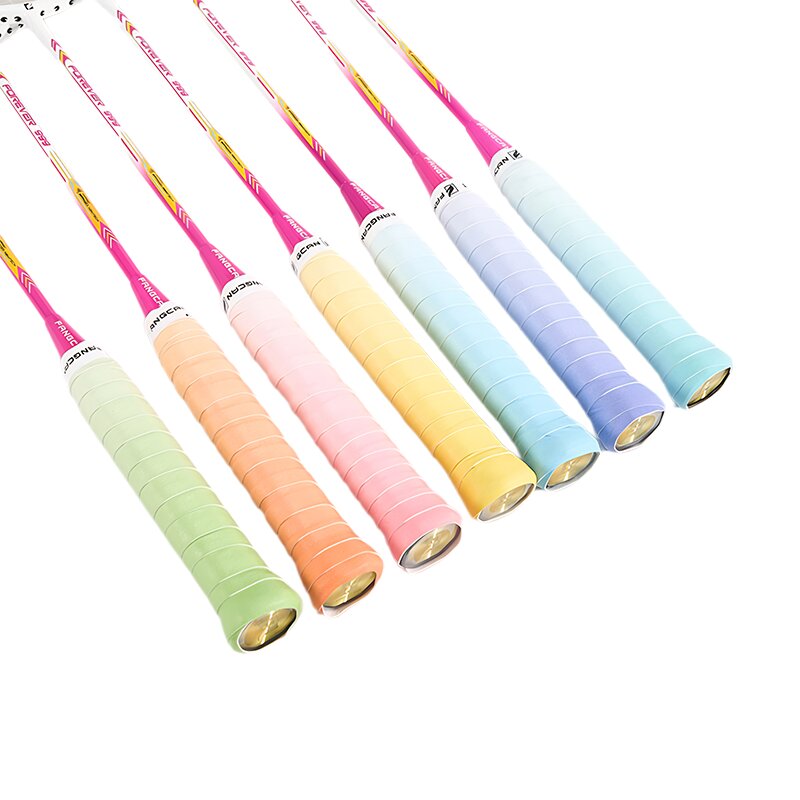
A SKU has to occupy enough space or depth to read as available. Under that threshold the shelf looks picked over, and the rate of sale you were modelling falls as a result. This is the constraint most often skipped, and it is the one that quietly caps a range.
In practice: decide how many units per SKU need to be on display for the category to look complete. For a low-value accessory that number is often larger than the forecast-driven order.
Constraint three: replenishment
Replenishment sets the floor. Take the total lead time from order to arrival — production plus shipping plus clearance — and divide by the number of out-of-stock days you are willing to accept. The slower the supply, the thicker the first order must be, regardless of what sales suggest.
This is why the same product needs different first-order logic in different markets: a two-week replenishment supports a thin first order, a two-month one does not.
Take the smallest of the three
Run all three, then order the minimum. If turnover says 400 and presentation says 250, order 250 — and accept that a top-up will be needed. If replenishment says 600 and turnover says 400, the honest answer is that the lead time is the problem, not the order size.
Most overstock is not caused by ordering too much. It is caused by using only the turnover constraint, and forgetting that the shelf needs depth and the supply chain needs cover.
Buying in the right structure
The order quantity is only half the decision. The other half is how the quantity is distributed:
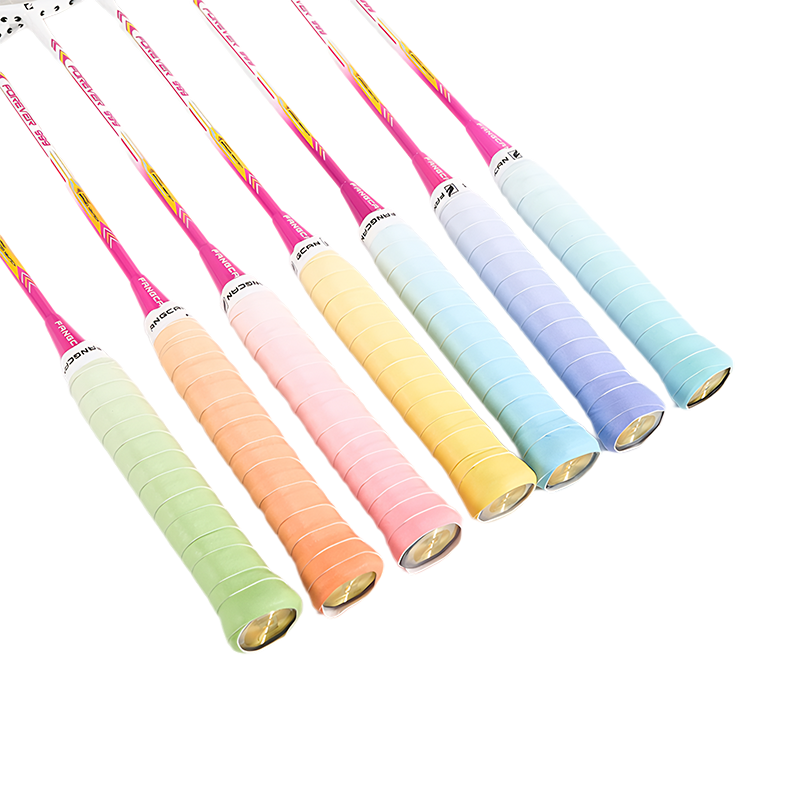
- Anchor colour first. Put depth behind the two or three colourways that carry the range, and treat the rest as breadth.
- Split the size run deliberately. Two sizes at half depth beats one size at full depth, because a single size cannot serve the wall.
- Keep one SKU as the test slot. Reserve a small quantity for a new colour or construction, so a range can be refreshed without a full re-order.
- Fix packaging before the quantity. Single unit or multi-pack changes both the cost and the shelf footprint, and it has to be settled before the order is costed.
What to ask a supplier before setting the number
- MOQ per colour, not per order — and what happens below it.
- Production lead time for a repeat order versus a first order.
- Whether a smaller trial quantity is possible on a stock colourway, and at what cost.
- Pack format options and whether they can be pre-packed at the factory.
Those four answers turn the three constraints into an actual number in about ten minutes.
A worked example
Suppose you sell roughly 60 units of a grip a week, expect a batch to clear in eight weeks, need 40 units on display for the category to look stocked, and face a ten-week replenishment cycle with a two-week tolerance for being out of stock.
- Turnover: 60 × 8 = 480 units.
- Presentation: 40 units — comfortably below turnover, so not binding here.
- Replenishment: 10 weeks ÷ 2 weeks = 5 batches of cover, i.e. ten weeks of stock at 60 a week = 600 units.
Replenishment is the binding constraint at 600, and it is 25% above what turnover suggests. That gap is the honest cost of a slow supply chain — either accept the extra stock, or shorten the lead time. What you should not do is order 480, run out in week eight, and spend the next two weeks air-freighting singles.
Working it out with us
We produce badminton rackets, overgrips, socks and accessories, and we quote MOQ per colour rather than per order — because that is how a range is actually built. If you are sizing a first order and want the spec, pack format and MOQ settled as one decision, send your target market and expected weekly rate of sale and we will work through the three constraints with you.
For the specification side of the grip range, the sourcing guide covers material, thickness and colour coverage.
Notes
- No prices, volumes or commercial terms are stated here; those belong in a quotation.
- The three-constraint method is arithmetic, not a forecast model — it assumes you can estimate weekly rate of sale from a comparable product.