
-
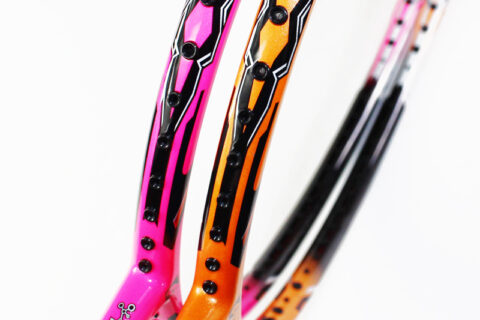
The Shaft: Wall Thickness You Can Calculate, Stiffness You Cannot Convert
7.0 by 3.2 mm is a 1.9 mm wall, and that number decides stiffness. Meanwhile three stiffness scales on our own sheets refuse to convert.
-
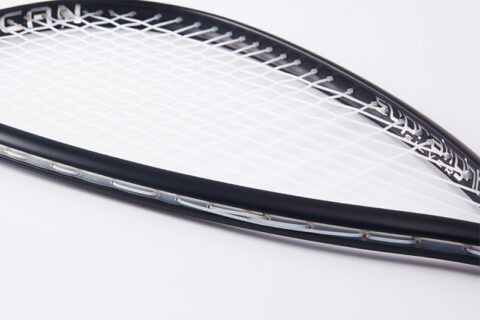
Beam Width, Head Size, Core Thickness: The Geometry That Sets Feel
11 mm against 20 mm is drag against torsion; 74 against 102 sq.in is precision against forgiveness. Geometry, not adjectives.
-
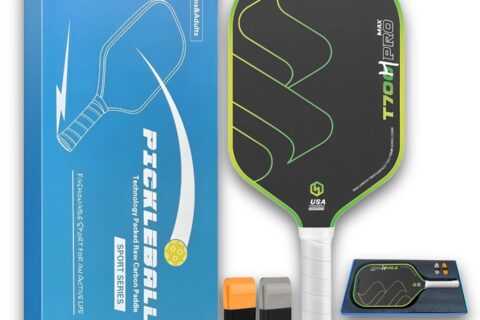
Forming Process: One-Piece, Two-Stage, Sectioned or Sandwich
Four structures, and the real question is where the interfaces sit. Plus why a paddle is a sandwich and a racket is not.
-
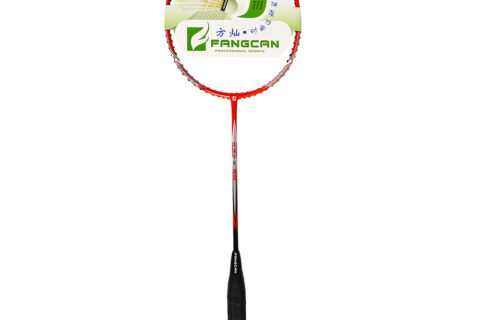
Racket Frame Materials: Read the Tension Ceiling, Not the Adjective
From steel frames at 20 lbs to 40T graphite at 35 lbs — six models, near-identical weight, and what the material column really states.
-
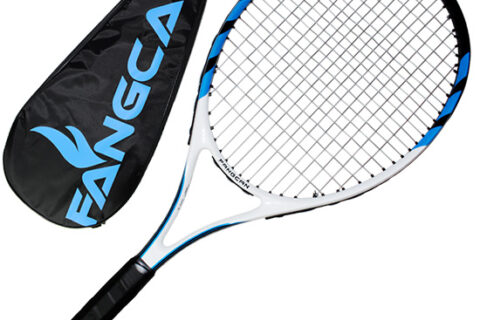
Tennis Equipment for Buyers: The Spec Sheet Trap and Three String Types
Tension and RA are printed on one line — that single shorthand causes most purchase disputes. Plus how nylon, polyester and rough training string split by customer.
-
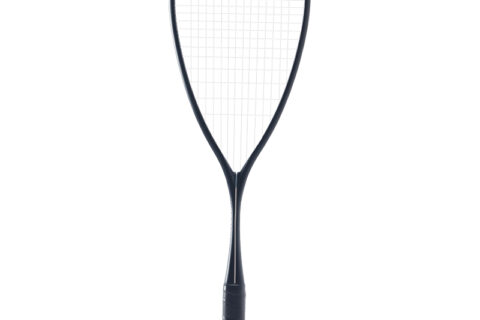
Aluminium-Composite vs Full Carbon Squash Rackets: What 85 Grams Decides
85 to 100 grams apart, nine pounds apart on the tension ceiling, and a cover format that moves your return rate. Material explains it; weight decides it.
-
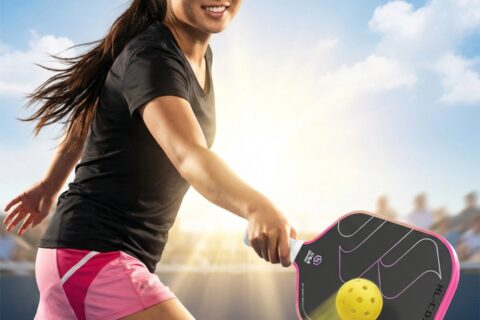
Fiberglass vs T700 Carbon Pickleball Paddles: The Two Dimensions That Decide the Sale
Same 16 mm core, five grams apart on weight — and 20 mm apart on length. Those two numbers decide which customer each paddle actually serves.
-
Carbon Fiber vs Graphite vs Aluminum: Which Racket Frame?
Carbon fiber, graphite and aluminum rackets differ in weight, power and feel. Here is a plain comparison and which frame suits which player.
