

Racket Kits: What to Bundle and What to Leave Out
Racket kits are a commercial device, not a product innovation. It exists to answer a question the customer is not equipped to answer, what do I need to actually play, and to move the shop’s margin from the frame, where it is thin, to the accessories, where it is not.
Done badly, it produces a SKU nobody can break apart, a price that cannot be compared, and a return that requires unpacking four items.
What belongs in a kit
The test is simple: include only what the player must have on day one and cannot choose well without help.
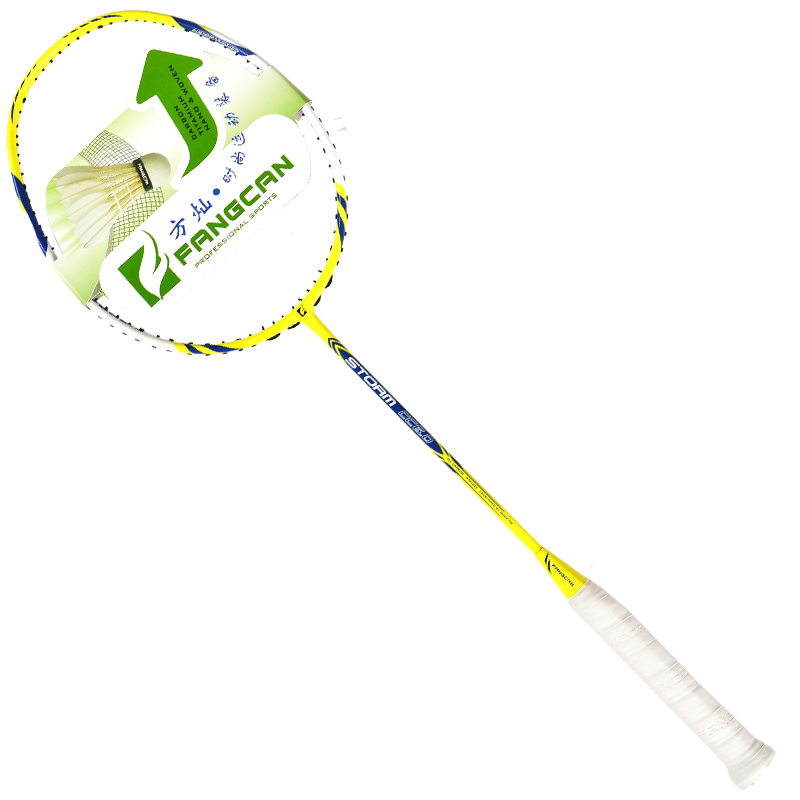
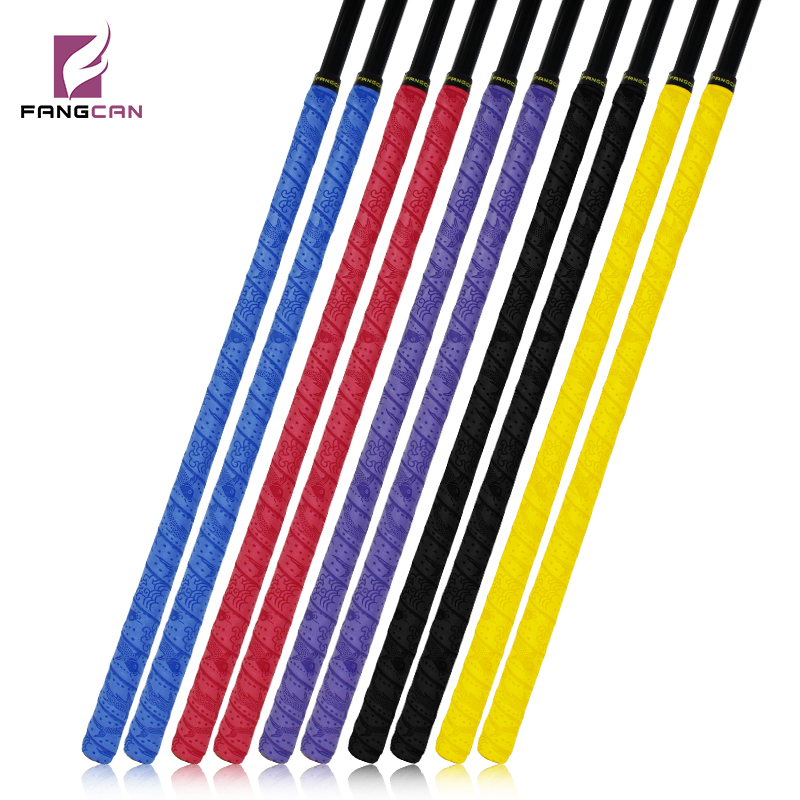
Frames aside, one overgrip, and a cover. Possibly a set of string if the frame arrives unstrung, but string choice is where players have opinions, so it usually belongs outside.
What does not belong: dampeners, head tape, wristbands, socks. Each is a preference, and a kit that forces a preference is a kit that gets opened and partly rejected.
The pricing trap
Kits are usually priced below the sum of its parts, which is the point.
Watch the trap: the discount is taken entirely out of the frame’s margin while the accessories keep theirs, so the shop’s books look worse than the customer’s deal. Cost the kit from the accessory margin first, then see what is left for the frame.
One more thing matters: comparison problem: a kit cannot be price-compared against another shop’s kit, which sounds like an advantage until the customer compares it against the parts they can price individually. The kit has to look like a genuine saving, not a bundle of things they did not ask for.
Packaging a kit without creating a new product
Cheapest of all, do this is not to package it at all.
Sell the parts together at the till with a printed insert, and the SKU stays three SKUs. That keeps inventory flexible and avoids a situation where the kit is out of stock because one component is.
Genuine packaging is worth it only when the kit is sold through a channel that cannot assemble it, a gift purchase, an online listing, a corporate order. In those cases, specify the box to hold the assembled contents without movement, and print the contents on the outside so the buyer knows what they are getting without opening it.
Strings and the tension decision
If a frame ships strung, the kit has effectively made the tension decision on the customer’s behalf.
That is acceptable only if the tension is stated on the packaging and is conservative. A kit strung at a number that suits an advanced player will disappoint the beginner it was designed for, and the beginner will not know why.
What to put on the purchase order
- Contents list, with the reason each item is included.
- Whether it is assembled physically or sold as a till bundle.
- Delivered tension, if strung, and the string used.
- Packaging specification, if packaged, with the contents printed outside.
- Whether components can be replaced individually under warranty.
- Landed cost per kit, broken down by component.
Last comes what makes the rest honest. A kit whose cost is quoted as one number hides which component is being discounted, and that is exactly the number a buyer needs when the customer asks to swap the grip for a different one.
For a first kit, keep it to three items: a frame, one overgrip, and a cover. Put the component cost into the quotation separately, and set the kit price from that. Everything beyond three items is a gift box, and should be costed as marketing rather than as product.
The gift channel
A kit is a natural gift purchase, and the gift channel has different requirements: it must look complete without explanation, it must survive being carried, and it must not contain anything the recipient has to assemble. Those three requirements, not the contents, decide the packaging.
Gift kits also tolerate a higher price than the same items sold separately, which is the only place in this category where packaging cost is comfortably recovered. That is worth knowing before deciding to package every kit.
Corporate orders and personalisation
Another channel justifies a package is the corporate order, where the buyer needs one invoice, one delivery date and a logo on something. Personalisation is usually applied to the grip or the cover rather than the frame, because it is removable and therefore doesn’t create a non-returnable product.
Common mistakes on this specification
- Bundling preferences, which get opened and partly rejected.
- Taking the whole discount out of the frame’s margin.
- Creating a kit SKU that cannot be assembled when one part is out of stock.
- Shipping strung without stating the tension.
- Quoting one price with no component breakdown.
Last, the other four impossible to diagnose.
Finally, price the kit so that removing an item is possible. A kit that can only be sold whole will be refused by the customer who already owns a cover, and that refusal costs the frame sale too.