

Four Wristband Types: Terry, Jacquard, Knit, Silicone
The word “wristband” covers four products that share a position on the arm and nothing else. Terry cotton absorbs sweat. Jacquard knits carry a woven logo. Knit sleeves apply compression over the wrist and lower forearm. Silicone bands carry a colour and a message. A buyer who orders them as one line ends up with a range that has four different failure modes, four different size logics and one price expectation.
Separating them is the whole job. Once the four are distinct in your own catalogue, the range stops looking unmanageable.
Terry: the absorbency product
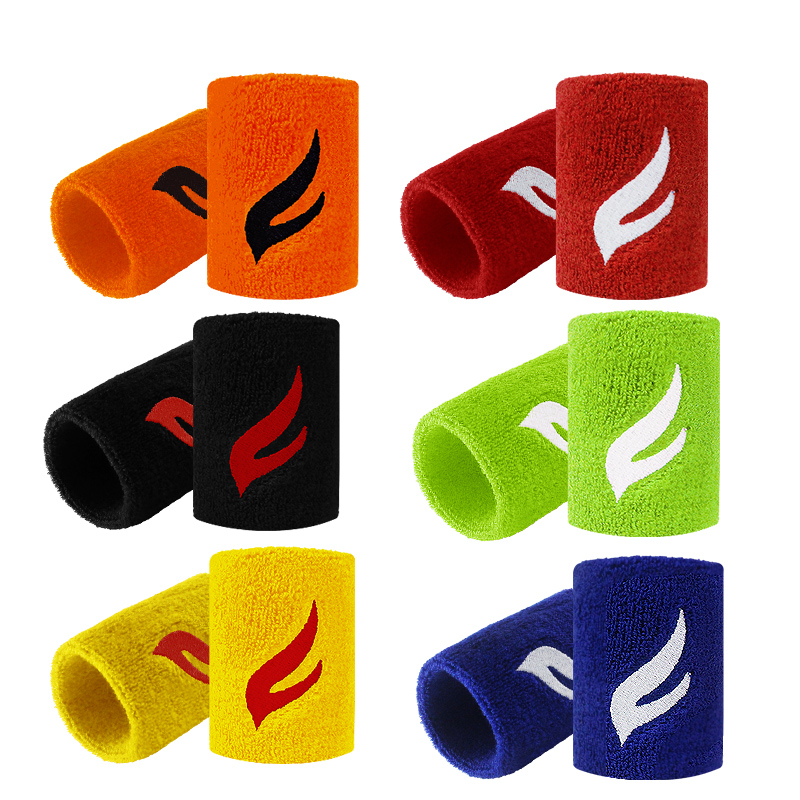
Terry wristbands are judged on how much sweat they take up and how they behave when wet. A dense loop pile absorbs well and becomes heavy; a loose pile dries faster and stops absorbing sooner. The measurable specification is fabric weight per square metre, and it is the number to put on the purchase order rather than “cotton”.
Two things follow. Elasticity loss is the main ageing failure, so ask for the elastane content and a recovery test after repeated washing. And because a wet terry band holds moisture against the skin, the inner face matters — a plaited inner surface wicks better than a plain loop.
Jacquard: the logo product
Jacquard bands exist to carry branding. The logo is woven into the band rather than printed onto it, which means it survives washing and does not crack. The trade-off is resolution: fine detail and gradients do not survive the weave, and a logo designed for print will look coarse here.
For a buyer commissioning these, the specification is artwork-driven. Ask for a woven sample before the bulk order, count the colours the loom can carry, and confirm the logo position relative to the fold. A jacquard band whose logo lands on the fold sells badly and cannot be fixed after production.
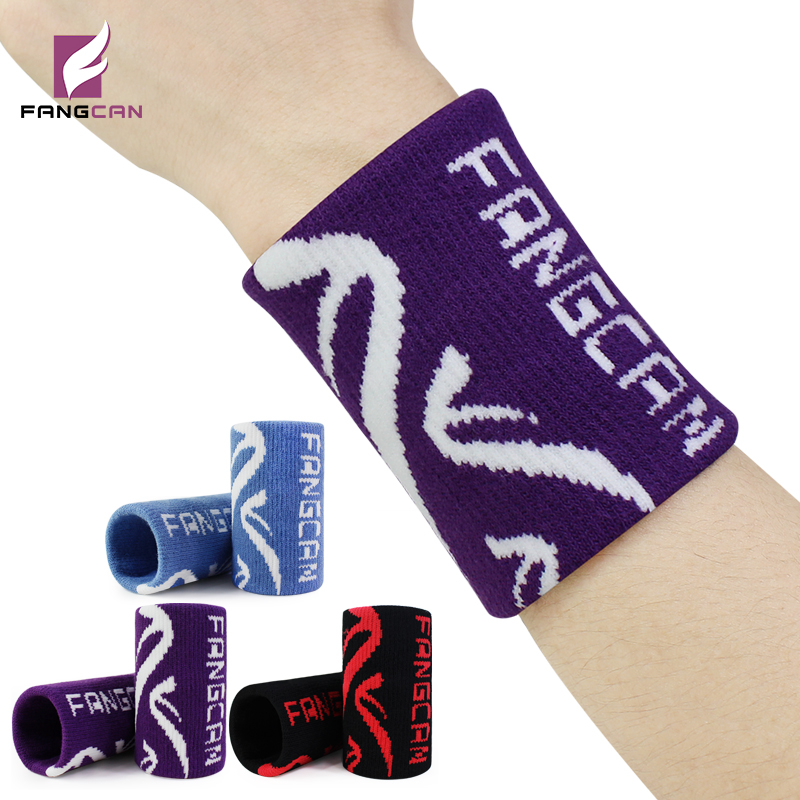
Absorbency on a jacquard band is secondary by design. It is a branding item that happens to wipe sweat, not a performance item that happens to have a logo. Price and perception both follow from that, and it is worth positioning it accordingly rather than competing on absorbency it will lose.
Knit sleeve: the compression product
The knit sleeve is the one that most often gets misfiled. It covers the wrist and part of the forearm, holds a consistent pressure, and stays in place during movement. Its specification is size and compression, not absorbency — a sleeve that fits loosely does nothing, and one that is too tight restricts the hand.
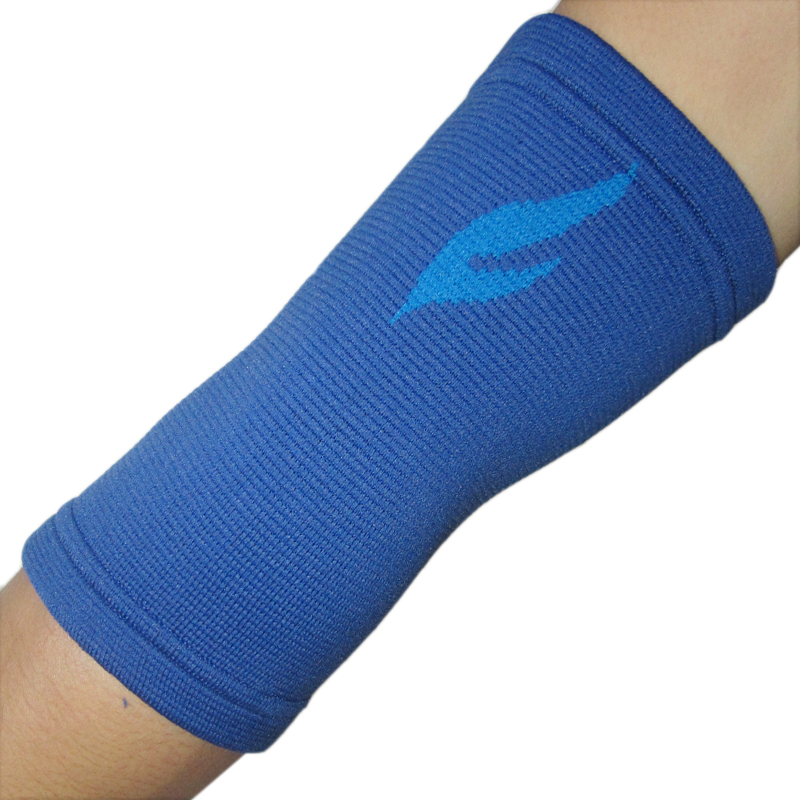
Because compression is a fit property, this line needs more size bands than the others. Two or three, with an overlap, and a measurement point that is stated on the pack. The other three types can be sold as a single size; this one cannot, and treating it as though it could is how a compression line acquires a reputation for being uncomfortable.
Silicone: the identification product
Silicone bands absorb nothing and compress nothing. They are a visual marker — team colours, event bands, campaign bands. Production is cheap, unit cost is low, and the entire value is in the colour and the print. Specify the hardness (a soft band stretches over the hand easily and sags on a thin wrist), the print method, and the colour fastness under sunlight, because a faded team colour is a failed order.
What to specify, by type
- Terry: fabric weight, elastane content, inner-face construction, recovery after wash.
- Jacquard: colour count, artwork file, logo placement, woven sample approval.
- Knit sleeve: size bands, compression level, measurement point.
- Silicone: hardness, print method, colour fastness, band dimensions.
- All four: wash instructions, and a size or fit statement on the pack.
The commercially useful move is to sell them as four answers to four questions rather than as one product in four materials. A club order will take terry for players, jacquard for staff and sponsors, and silicone for an event; a retail shop will take terry and knit and skip the rest. Being able to quote terry, jacquard and the knit sleeve separately is what lets you serve both without carrying stock that suits neither.
Sizing, and why one size is a false economy
The knit sleeve needs bands, and the other three benefit from them more than their suppliers admit. A terry band sized for an adult male will hang loose on a junior wrist and stop absorbing at the point where it matters, which is the palm side during play.
Two size bands across the range is enough: one that covers juniors and smaller adults, one for adults. State the wrist circumference on the pack, and accept that some customers will measure wrong — the ones who measure right will come back, and that is the trade worth making.
Wash instructions as a specification
Terry and knit both lose shape under heat, and a band that has been through a hot wash stops performing at exactly the point where the customer notices — the grip on the wrist during play. Printing the care symbols on the band itself is the cheapest quality intervention available on this line.
It also protects you commercially. A band returned for “losing elasticity” after six hot washes is not a defect, but it will be recorded as one unless the instructions were visible enough to make the alternative clear.