
-
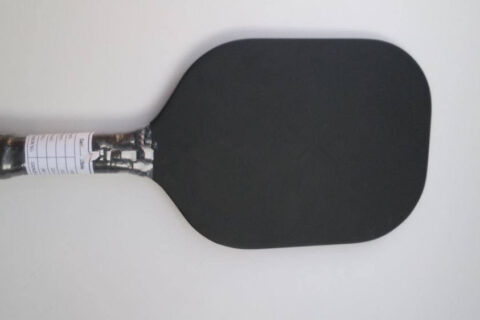
Pickleball Paddles: Edge Guard and Surface Texture
The edge guard decides how long a paddle survives floor contact; the surface decides whether it can generate spin. Both are invisible in a hero photo.
-
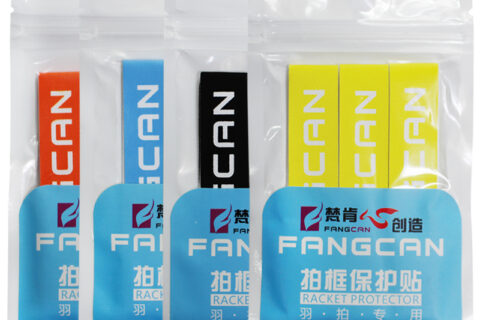
Retail Packaging: OPP Bag, Hang Card or Colour Box
Packaging decides where a product can be sold before it decides how it looks. Three forms, three channel fits, three costs.
-
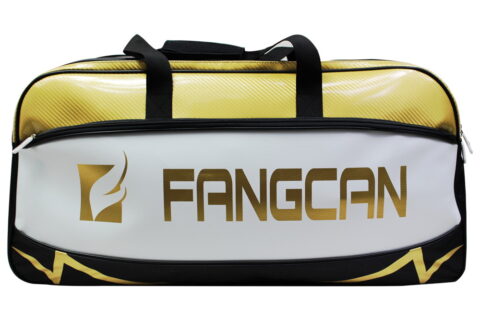
Export Cartons: Stacking, Crush and Shipping Marks
The cheapest way to lose margin on bulky goods is a carton that crushes one layer down. What to specify before the goods leave.
-
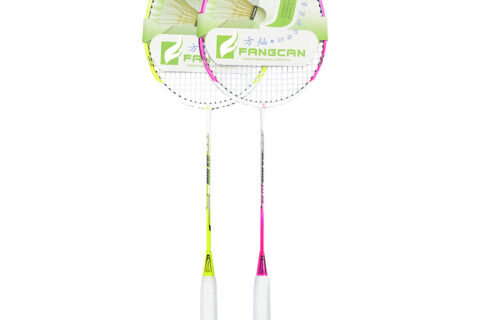
Junior Rackets: Length Before Weight, Safety Before Price
Youth rackets are sized by body height, not age. Getting that order right decides whether a junior range sells or sits.
-
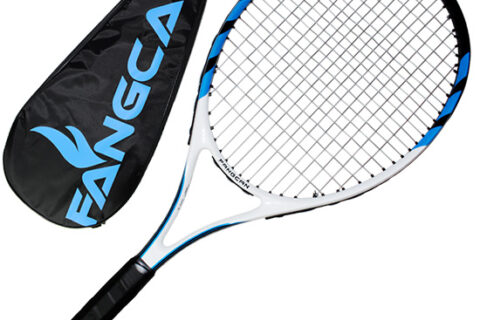
Tennis Racket Weight and Balance: 270 g to 300 g
Static weight tells a customer almost nothing. Weight and balance together describe the frame, and the four combinations sell to four different players.
-
Racket Bags: Compartments, Shoe Pocket, Square Shape
Capacity is the number customers ask about and the last thing that matters. Compartment structure decides whether a bag gets used or left in the car.
-
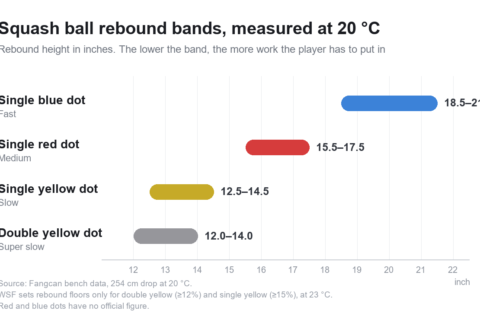
Which Squash Ball: Four Dots, Four Rebound Bands
Four dot colours, four measured rebound bands at 20 °C — and the fastest ball is the beginner ball. Pick by band and court temperature, never by price. Includes the WSF figures that exist and the two that do not.
-
Team Kit: Ball Bags, Pumps and Pressure Upkeep
Clubs do not buy one ball; they buy a system that keeps twelve balls playable. The accessories are what make the system work.
-
Tennis Racket Head Size: 100, 105, 110 sq in
Head size sets the sweet spot, the swing weight and who the racket is for. Three bands cover the market, and the middle one is not a compromise.
-
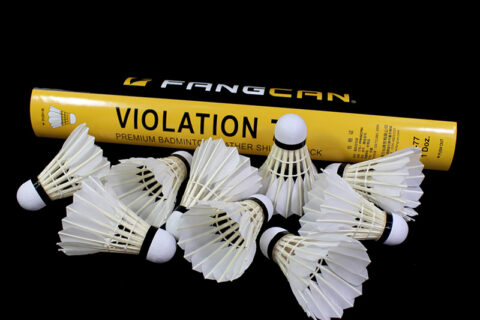
Shuttlecock Humidity: Why the Same Tube Plays Faster
Feather is a hygroscopic material. Storage humidity changes brittleness and flight, which is why two tubes from one carton can play differently.
