
-

Maximum Tension Is a Ceiling, and Tension Loss Comes in Two Stages
The thinnest string has the lowest ceiling and gauge does not explain it. Plus the two stages of tension loss — only one responds to pre-stretch.
-

Ball Tolerances: Rebound Is a Conditional Value
±1.5 g against ±25 g is not one standard. Rebound needs drop height and temperature, or the number cannot be reproduced.
-
The Shaft: Wall Thickness You Can Calculate, Stiffness You Cannot Convert
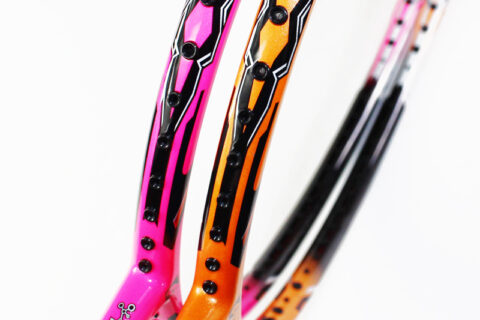
7.0 by 3.2 mm is a 1.9 mm wall, and that number decides stiffness. Meanwhile three stiffness scales on our own sheets refuse to convert.
-
Hybrid or Full Bed: Which One Actually Drifts
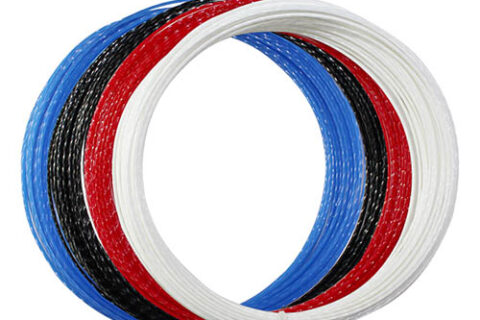
A hybrid buys two properties at once; a full bed buys predictability. Why the two halves of a hybrid drift apart, and when each setup wins.
-
Why a String Always Breaks in the Same Place
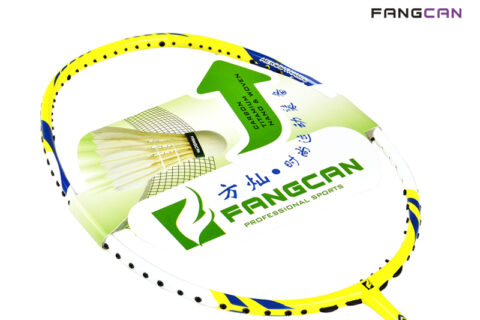
Grommets decide where a string dies, not how hard you hit. Two holes, three failure modes, and the four questions that settle it at quotation stage.
-
Beam Width, Head Size, Core Thickness: The Geometry That Sets Feel
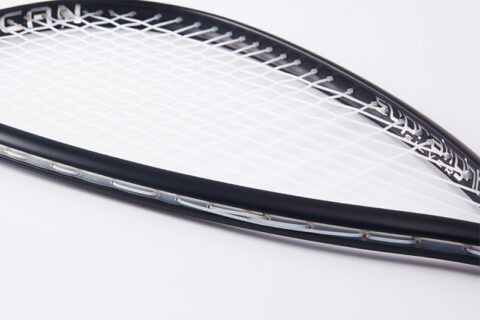
11 mm against 20 mm is drag against torsion; 74 against 102 sq.in is precision against forgiveness. Geometry, not adjectives.
-

Forming Process: One-Piece, Two-Stage, Sectioned or Sandwich
Four structures, and the real question is where the interfaces sit. Plus why a paddle is a sandwich and a racket is not.
-

Racket Frame Materials: Read the Tension Ceiling, Not the Adjective
From steel frames at 20 lbs to 40T graphite at 35 lbs — six models, near-identical weight, and what the material column really states.
-

B2B Returns: Grade First, Then Choose Repair or Replace
Three grades, three liability defaults, and one threshold: repair above half the goods value means replace. Grade first — the remedy follows.
-
Seasonal Buying: Three Clocks, Three Category Curves
Production, transit and buffer run on separate clocks. Consumables turn, equipment leads, gifting forecasts — and transit needs the most slack.
