

Racket Weight Tolerance: Why ±2 g Matters
Weight is the specification every buyer asks for and almost nobody specifies properly. A catalogue says 4U, which is a band rather than a number, and two frames inside the same band can differ enough that a player notices within a rally. Tolerance is the field that closes that gap, and it costs nothing to add to a purchase order.
Bands versus numbers
The U system is a range. 4U covers 80 to 84 grams and 3U covers 85 to 89, so a frame quoted as 4U may be at either end of a five-gram window. Within that window, a player with a developed feel can tell the difference in swing timing, and a coach ordering twelve frames for a squad will find the spread immediately.
What the buyer wants is not a tighter band but a stated figure with a tolerance: “83 g ± 2 g”, measured in an agreed state. That single change turns a vague promise into a testable one, and it is the first thing a serious factory will be able to answer without checking.

Measured in which state
Weight has at least three meanings: bare frame, frame with grip and strings removed, and ready to play. The difference between the first and the third is typically fifteen to twenty grams, which is larger than any tolerance worth arguing about. If the purchase order does not state the state, the argument is unwinnable.
Specify unstrung, with grip, and name the scale class. Then check a sample on arrival using the same method; a kitchen scale is adequate and a calibration weight is better. This is a five-minute inspection that catches a whole class of complaints before distribution.
Why tolerance drifts
Weight variation comes from three places: resin content, paint and clear coat, and the handle assembly. Resin content is the largest and the hardest to see, which is why two frames that look identical can sit two grams apart. Paint adds a surprisingly consistent amount per frame, and a change of finish between batches moves every unit in the same direction — a fact worth knowing when a run suddenly weighs heavy.
The practical consequence for procurement is that tolerance should be specified per batch, not per model. A factory that holds ±2 g within a batch is doing the job; one that hits the nominal figure on average across a year but drifts batch to batch is not, because the customer receives one batch.
Balance moves with weight
Weight and balance are two readings of the same mass distribution, and specifying one without the other produces surprises. A frame that gains two grams in the head feels heavier than one that gains two grams in the handle, and the customer’s description — “this one feels slower” — will not mention grams at all.
So the order needs both, with tolerances: weight ±2 g unstrung, balance point within 3 mm of nominal. Those two figures together are enough to keep a shipment coherent, and they are what a coach is actually buying when they order a dozen.
What to put on the purchase order
- Weight with tolerance, and the state in which it is measured.
- Balance point with tolerance, measured from the butt cap.
- Batch definition, so tolerance is applied within a run rather than across a year.
- Sampling plan for arrival inspection, and the scale class used.
- What happens to out-of-tolerance units — credit, or ship anyway with a mark.
The last line is the one that makes the rest enforceable. Without a stated consequence, a tolerance is a preference. With one, it is a specification the factory can plan production around — and most factories prefer that, because a clear target is easier to hit than a moving expectation.
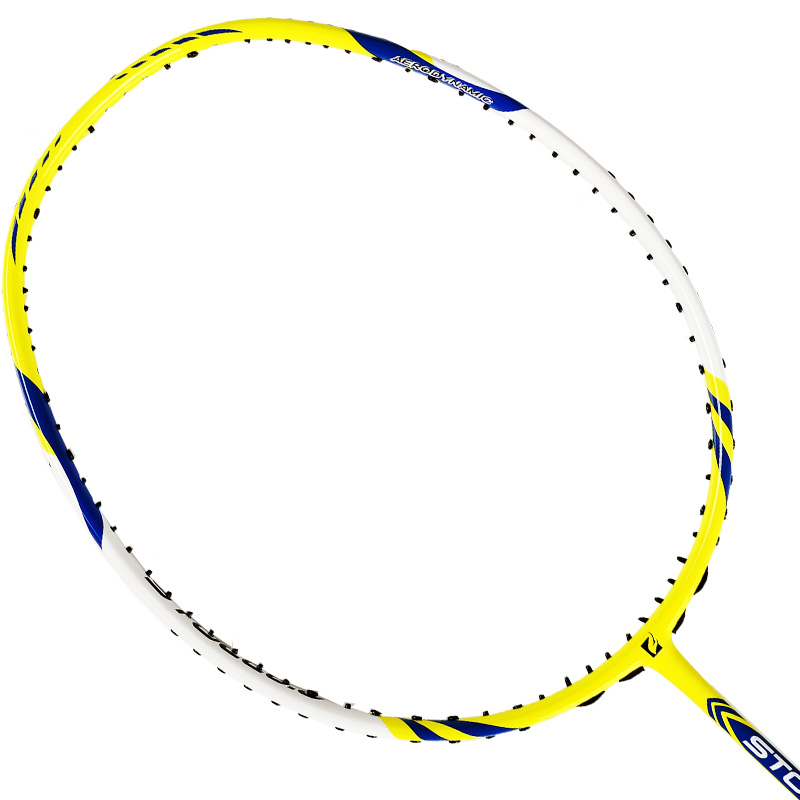
For a range, applying the same tolerance across two models makes them comparable: the CC6.0 and the STORM 90 can be sold as two weights of one construction rather than two unrelated products. And when a frame does come back as “too heavy”, the grading question is whether it left the factory outside tolerance, which is answerable only if the number was written down.
How to check tolerance without a lab
Weight and balance can be checked with a kitchen scale and a straight edge. Weigh the frame with the grip on and no string; measure the balance point by resting the shaft on a narrow edge and marking the point where it sits level. Both readings take two minutes and both are reproducible enough to settle a dispute.
Record them per carton rather than per shipment. A drift that appears in one carton out of twenty is a handling or sorting problem, and it is invisible in an average.
The customer’s own scale
Enthusiasts weigh their frames and post the numbers. That means your tolerance is effectively public, and a batch that drifts will be documented by someone else before you notice it. Publishing the tolerance turns that scrutiny into evidence in your favour instead of a complaint thread.
Common mistakes on this specification
- Quoting a U band as though it were a target weight.
- Weighing strung frames and comparing them to unstrung spec sheets.
- Applying one tolerance across a year of production rather than per batch.
- Mixing grip sizes in one sample and treating the spread as tolerance drift.
- Accepting “about 83 g” as an answer to a question about grams.
None of these costs money to fix, and each one is worth a hundred grams of argument later.