
-
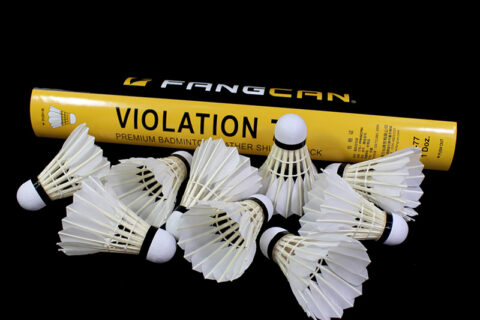
Shuttlecock Grades: Feather Grade, Cork Build and Speed 76 vs 77
Four models, three variables that decide different things: species and grade set durability, cork build sets feel, and speed is about air density rather than quality.
-

Racket Covers and Bags: What Oxford, Flannel, PU and EPE Actually Protect
Five models use oxford, but their linings split three ways: EPE, non-woven, or nothing. The lining moves your damage rate; the shell only moves how it looks.
-
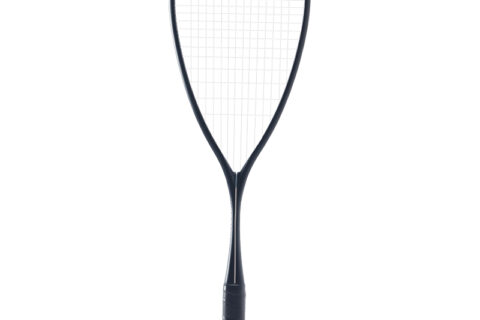
Aluminium-Composite vs Full Carbon Squash Rackets: What 85 Grams Decides
85 to 100 grams apart, nine pounds apart on the tension ceiling, and a cover format that moves your return rate. Material explains it; weight decides it.
-

Squash Ball Dot Colours: A Rebound Band, Not a Shared Register
Four dots, four measured rebound bands at 20 °C. The dot is a real spec on our own range — and still unusable as a cross-brand price key.
-

Fiberglass vs T700 Carbon Pickleball Paddles: The Two Dimensions That Decide the Sale
Same 16 mm core, five grams apart on weight — and 20 mm apart on length. Those two numbers decide which customer each paddle actually serves.
-
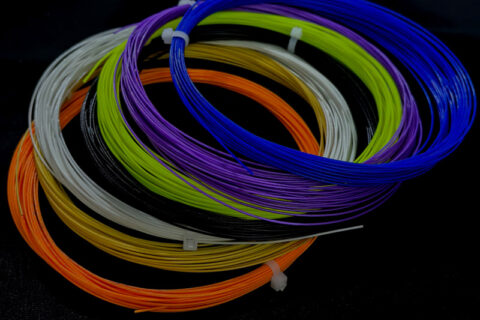
Badminton String Gauge: Ranking 0.66 to 0.72 mm for Buyers
Five gauges, and the tension ceiling is not monotonic. Gauge ranks customers, not products — here is how to set range width, reels against sets, and frame pairings.
-
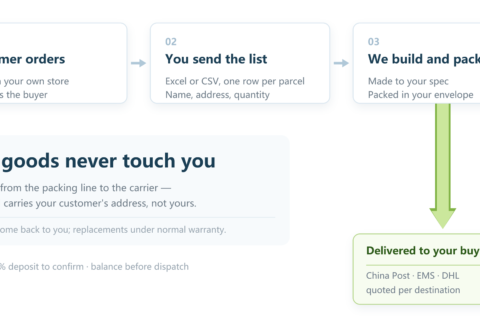
How Drop-Shipping Works With Us (B2P)
B2P means one thing: we ship to your customer, under your packaging, one parcel at a time. You take the order on your own store; we build it, pack it …
-
How Much Should the First Order Be?
Turnover sets the ceiling, presentation sets the floor, replenishment decides between them. Take the smallest of the three — with a worked example.
-
Overgrip Incoming Inspection and Shelf Life
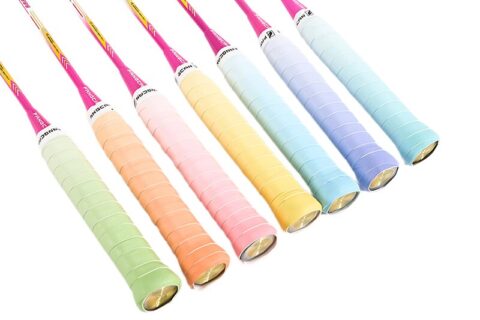
Three checks that take ten minutes, what actually degrades a grip in storage, and the five clauses worth writing into the purchase order.
-

OEM/ODM: From Sample to Mass Production
The sequence, the lead times, and the five things a buyer should send in the first message — plus why most first orders fail on information rather than price.
