
-

Sealed Samples and First-Article Approval: Six Items and One Gate
Six things must be fixed with the sample or it is just a unit. And first-article approval is the only gate that can still change the batch.
-
Payment Terms Decide Who Holds the Leverage
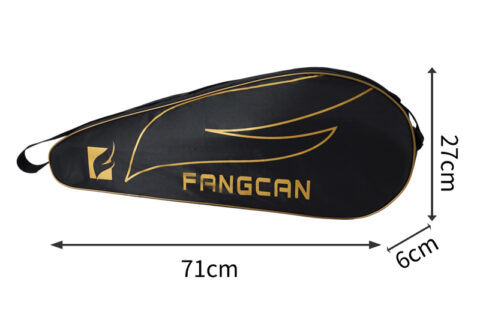
The same 30/70 is two different contracts depending on the trigger. Tie the balance to pre-shipment inspection, retain 10–20%, and write the currency basis.
-

Volumetric Weight: Why Light Bulky Goods Land at Double Cost
Three numbers are all it takes to cost it yourself. Use the carton, not the product — and mix heavy with bulky, the only lever that lowers freight and damage at once.
-
Incoming Inspection: Four Steps, Batch Sampling and the Claim Window
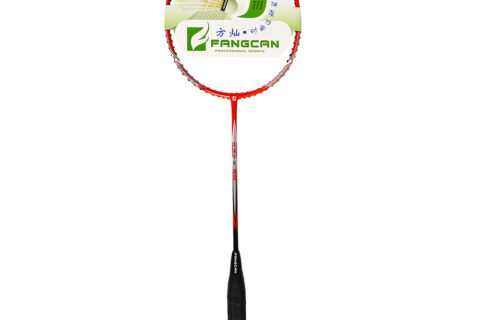
Inspection is not about catching faults. It is about building a timeline. Batch sampling, retained samples and the window that decides whether a claim holds.
-

Six Layers of a Racket Retail Buy: Traffic, Ticket, Attachment
Budget by consumption rate, not by best seller. Consumables hold half the SKUs on a fifth of the money; rackets do the reverse.
-
Yoga Blankets: A Topper, Not a Mat — and Why the Nub Backing Decides It
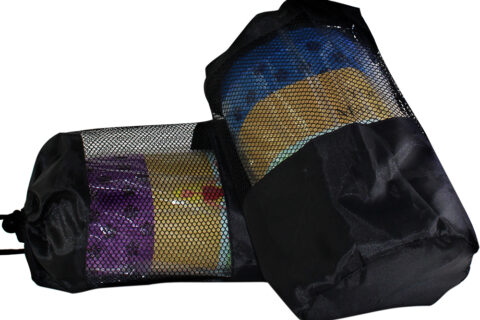
180 × 63 cm microfiber, sold on hygiene and washability rather than cushioning. Judge a sample by the back, and two colours may be enough.
-
Private-Label Sports Socks: Yarn Ratio, Size Run and Logo Method
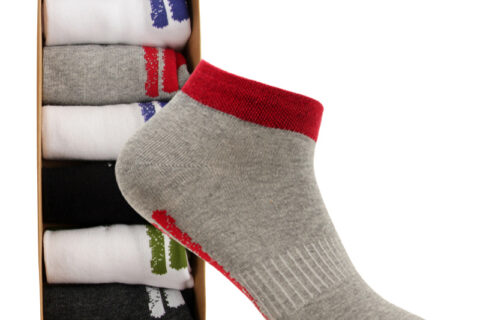
Yarn ratio, size run, panel layout and logo method decide whether a private-label sock order repeats. What to put on the specification before sampling.
-
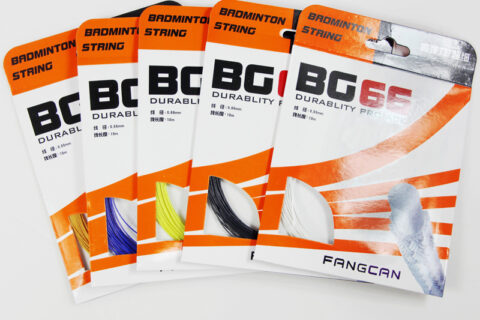
Badminton String From a Chinese Factory: How to Read the Spec Sheet
Gauge, construction, tension ceiling, reel or set. What a badminton string specification actually contains, and the four checks to run before a bulk order.
-
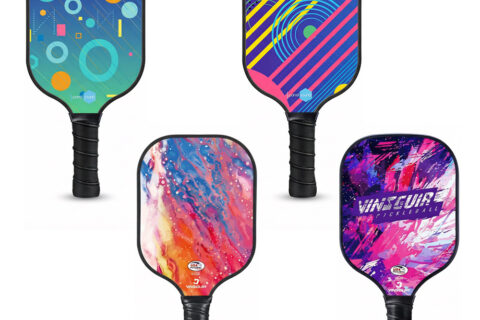
Pickleball Paddle OEM: What to Specify Before the First Sample
A pickleball paddle is four decisions and about ten numbers. Here is the specification sheet we ask for before quoting an OEM or private-label order.
-

A Request for Quotation That Survives Contact: Twelve Fields
Most purchase disputes are written in the first email. Twelve fields — model, tolerance, packing, carton, MOQ, sampling, terms — that make quotes comparable.
