

Private Label Without Getting Sued: Trademark and Design Checks
Private label is usually discussed as a pricing mechanism: the buyer supplies artwork, the factory applies it, the product ships with someone else’s name on it. The part that gets less attention is that the artwork and the shape both carry legal rights owned by somebody, and neither the buyer nor the factory is automatically cleared to use them.
Two checks prevent almost every problem in this category, and both are cheap if they happen before tooling and expensive if they happen after.
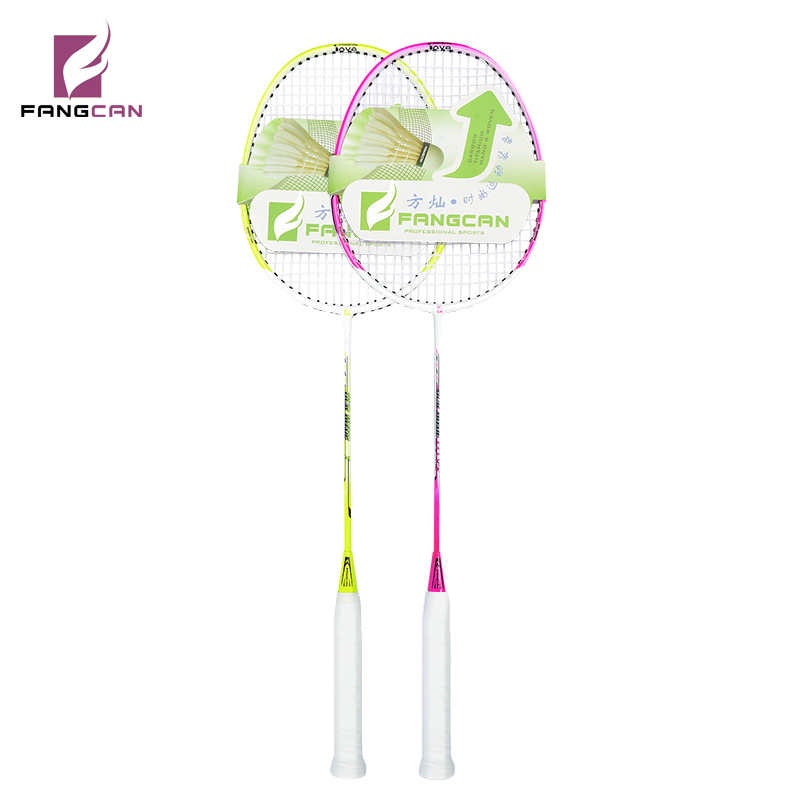
The trademark check
A brand name, a logo and a wordmark are registered rights, and registration is territorial. A mark that is free in one market can be owned by someone else in another, which is why a buyer who sells into three countries needs three answers rather than one.
The searches that matter are the free ones first: the WIPO Global Brand Database for international registrations, the EUIPO database for the European Union, and the national register of each target market. A search takes minutes and answers the only question that matters at this stage, whether someone already holds the mark in the class that covers sporting goods.
What the factory should ask for, in writing, is a statement from the buyer that they hold or are licensed to use the mark in the territories they are ordering for. That single sentence moves the liability to where the decision was made.
The design check is the one people skip
Racket shapes, paddle shapes, bag silhouettes and even grip patterns can be protected as designs: registered community designs in the EU, design patents in the United States, and 外观设计 patents in China. Protection is generally for the appearance of the product rather than its function, which is exactly why a “different” racket can still infringe.
A design that is a close copy of a well-known frame, with a different paint job, is the classic exposure. The paint is the part that is easiest to change and the part that carries the least legal weight.
What the factory can and cannot promise
A factory can promise that it will manufacture to the drawing supplied.
It cannot promise that the drawing is clear of third-party rights, and it should not be asked to. What it can do is run a design search against its own catalogue and tell the buyer when a requested shape is close to something it already produces for another customer.
That disclosure is worth more than a warranty, because it happens before the mould is cut. Once tooling exists, the cheapest legal outcome is usually a redesign of the paint and a quiet conversation, and the most expensive is a shipment held at the border.
Two clauses worth having
The first is an indemnity: the buyer warrants that the artwork and the design are theirs to use, and indemnifies the factory against claims arising from them. The second is tooling ownership: who owns the mould, who may use it for other customers, and what happens to it if the relationship ends.
Tooling ownership is often treated as a commercial detail and is in fact a rights question. A mould built to a buyer’s design and then reused for another customer is a design copy with a paper trail, and no indemnity clause survives it. The usual positions, buyer pays, buyer owns, mould can be transferred, are set out in this note on splitting a custom quotation.
What to do before the first sample
- Search the mark in every target market, in the class that covers sporting goods.
- Search the shape, not only the name.
- Get the buyer’s warranty on artwork and design in writing.
- Agree tooling ownership and reuse rights before the mould is cut.
- Record which reference product the shape was derived from, if any.
The fifth item protects both sides. A design file that says “derived from our 2024 frame” is a record of independent development; a design file with no stated origin is a question that will be asked later, by someone with a lawyer.
Why this is a procurement issue, not a legal one
Buyers tend to treat IP as something to handle after the product sells. In practice it is decided at the sampling stage, when the shape is chosen and the tooling is quoted. A range built on in-house shapes and own moulds can be licensed, copied or extended without a search; a range built on someone else’s silhouette cannot.
Marketplaces act faster than courts
A rights holder who files a marketplace complaint does not need a judgment.
Platforms remove listings on a prima facie basis, and the seller carries the burden of proving authorisation. For a brand selling through online channels, that means a single unlicensed logo can take down a whole storefront in a week, long before any court sees the file.
This is why the warranty and the search belong in the same conversation as the price. The cost of a takedown is not legal fees; it is the selling history and the reviews that disappear with the listing.
The question to ask a new supplier is therefore not “can you make this shape” but “is this shape yours”. The answer determines what the buyer actually owns at the end of the order.