

Batch Colour Consistency: Pantone, ΔE and the Sentence to Put in the PO
A purchase order says “colour: black”. Two shipments arrive, both black, and a customer standing in a shop can see that the second one does not match the first. Nothing in the paperwork is wrong, because “black” is a word and not a measurement.
Colour is the most visible specification in sporting goods and the one most often written as an adjective. Fixing it requires three things: a reference system, a numeric tolerance, and a light source.
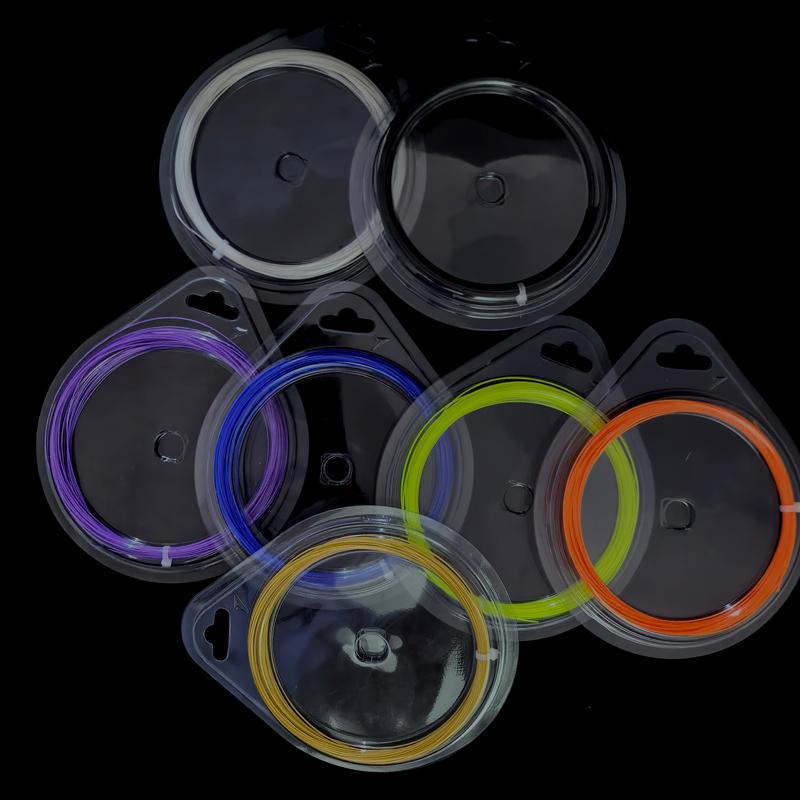
Why two blacks are not one black
Black absorbs almost all visible light, which means small differences in pigment loading and surface finish show up as differences in sheen and depth rather than in hue. A matte black and a gloss black can be the same colour number and read as two different products on a shelf.
The same is true of dyed textiles, where the fibre, the dye bath and the water all move the result, and of moulded plastics, where the masterbatch ratio does the same. Each material has its own variability, and each needs its own reference.
Which reference for which material
Textiles and coatings are usually matched against the Pantone TCX range or a physical master standard; plastics and moulded parts against Pantone PCC or a supplied chip. In every case the physical standard outranks the number, because the number is a lookup and the chip is the target.
The practical rule: sign off a physical sample, record its number, and keep a retained piece. A supplier who has never seen the retained piece is working from a description.
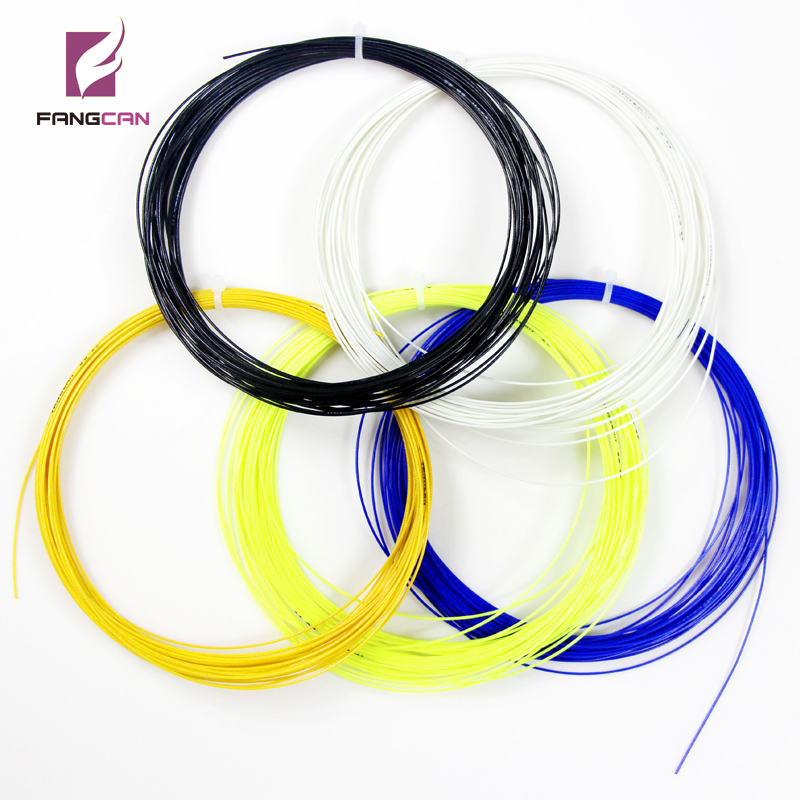
What ΔE actually means
ΔE is the distance between two colours in a perceptual colour space, expressed as a single number. Roughly: below 1 the difference is invisible to most people, 1–2 is visible to a trained eye in a side-by-side comparison, and above 3 is visible to anyone without a reference.
For sporting goods, a ΔE of 2 against the master is a common working tolerance for textiles and a ΔE of 1–1.5 for hard parts that sit next to each other. These are conventions rather than laws, but a number that both sides accept is worth more than a perfect standard that nobody measures against.
The light source is the trap
Two samples that match under tungsten can differ under daylight, and a shop’s lighting is neither. Colour approval has to specify the illuminant — D65 daylight is the usual reference — and the geometry, because a colour viewed flat and a colour viewed on a curved surface do not read the same.
This is why factory approval and shop lighting produce different verdicts. It is not dishonesty; it is physics, and it is avoidable by stating the conditions.
The sentence to put in the order
- Reference: the physical standard, identified by number and retained piece.
- Tolerance: ΔE value, and the instrument class used to measure it.
- Illuminant and geometry for visual assessment.
- Who approves: the buyer, on a production sample, before bulk.
- What happens on failure: re-dye, re-mould, or accept with a price adjustment.
The fifth item is the one that prevents a stalemate. Without it, a batch that misses the tolerance by a small margin becomes a negotiation in which both sides are technically correct.
Where it shows up commercially
Colour inconsistency is a retail problem before it is a manufacturing one: a shelf where two batches sit side by side looks like two products, and the shop discounts the older one. For an accessory sold in multi-packs, such as a 1500 mm overgrip, a visible mismatch inside one pack is a return.
Approval has to happen on production, not on a chip
A chip approved in an office proves the reference, not the process. The sample that matters is the first article off the actual line, in the actual material, under the actual cure. Approving that sample and retaining half of it is the only step that makes the tolerance enforceable later.
Retained samples also age. A piece kept in a drawer for a year may yellow or fade, so the retained standard should be replaced periodically and the replacement dated. A standard nobody has checked is a standard that will be argued about.
Where the buyer’s own process adds variance
The factory is only half of the story. A distributor who re-packs goods into display cartons, applies retail stickers or stores stock in a glass-fronted shop window adds a second set of variables: UV exposure fades dyes, adhesive labels leave residue, and mixed stock from two batches gets combined into one shelf.
Two habits reduce the damage. Keep a retained piece from each batch and compare new arrivals against it under the same light, not against memory. And date the cartons when they arrive, so that when a colour complaint appears the batch can be identified without opening every box in the warehouse.
Neither habit costs anything, and together they turn a vague complaint about “the new ones look different” into a traceable observation with a batch number attached to it. That is the difference between a conversation that ends in a credit note and one that ends in a process change.
Hard goods have the same exposure in a different form. A frame repainted to match an earlier batch will not match unless the paint system, the number of coats and the cure are also matched — which is why finish belongs in the same conversation as colour.