
-
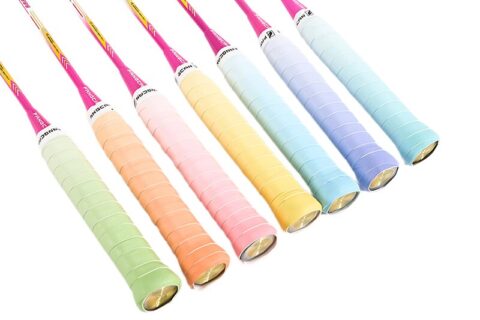
Overgrip Incoming Inspection and Shelf Life
Three checks that take ten minutes, what actually degrades a grip in storage, and the five clauses worth writing into the purchase order.
-
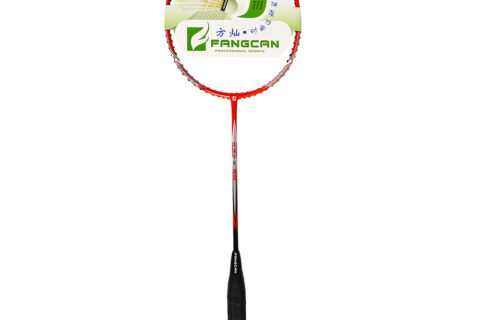
OEM/ODM: From Sample to Mass Production
The sequence, the lead times, and the five things a buyer should send in the first message — plus why most first orders fail on information rather than price.
-
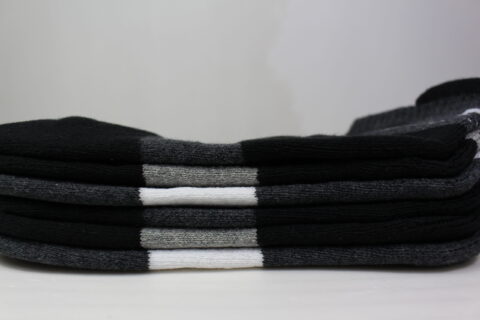
Badminton Socks: Cushion, Height and What to Stock
Terry-loop or flat, ankle or crew, one size or two — the three variables that decide whether a sock range sells, written from the manufacturing side.
-
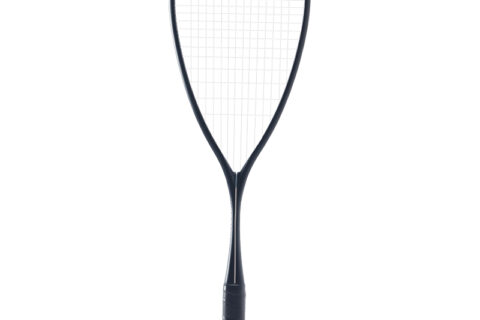
Squash Racket Tension: Why 26 lbs vs 36 lbs Is a Frame Limit, Not a Preference
Two carbon frames are rated 36 and 35 lbs; two carbon-aluminium frames are both 26. The 10 lbs gap tracks material, not weight, head size or pattern.
-
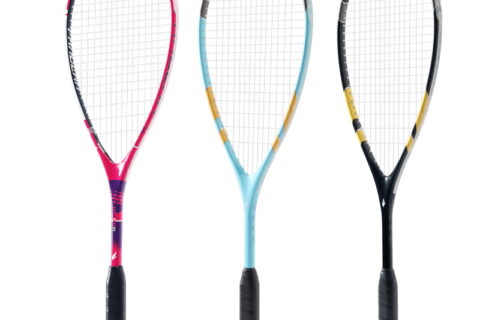
Squash String Patterns: 14×18 vs 19×14 vs 19×12 — What the Direction of the Count Changes
All four frames run 31 to 33 strings, so total count decides nothing. What separates them is mains versus crosses — and two identical patterns sit 10 lbs apart.
-
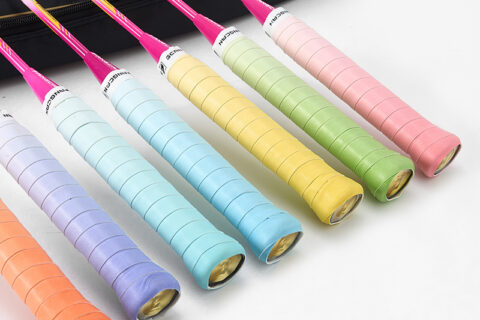
Southeast Asia Badminton Accessories: What 16 Stores Reveal
Grips and socks account for 86% of the units we sell across 16 Southeast Asian stores. Complete rackets: 93 pieces. The category mix in our own order data says more about what to stock than any trend report.
-
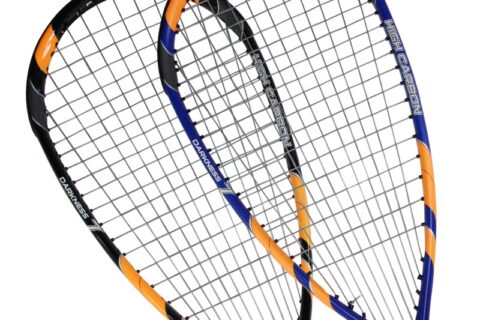
Squash Racket Head Size: 74 vs 76 vs 78 sq.in — What Each One Actually Buys You
74, 76 and 78 sq.in are a range decision, not a quality ranking. Two of these four frames share 76 sq.in and play nothing alike — here is why.
-
Overgrip Thickness and Surface: 0.65mm vs 0.8mm vs 1.9mm, Tacky vs Dry
Overgrip thickness runs 0.65mm to 1.9mm, and the surface decides which climate it suits. A 15-item specification table, with tacky vs dry mapped to markets.
-
Squash Racket Weight and Balance: Why 130g vs 230g Changes Your Whole Game
A 130g squash frame and a 230g one are not the same racket at different weights. Read weight, balance point and tension ceiling together, across four models.
-
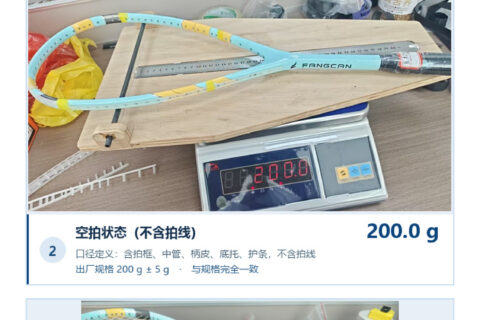
What Does a Squash Racket’s Weight Actually Mean? Bare, Unstrung and Strung, Explained
One squash racket can weigh 145 g, 200 g and 210 g — and all three numbers are correct. They just measure different states. Here is what bare, unstrung and strung weights mean, how to convert between them, and how to compare rackets fairly.
