

Three Jump Ropes, Three Jobs: Counting, Speed, Weighted
Jump ropes look interchangeable on a shelf and behave like three different products in use. A shop that stocks one rope and calls the category covered will sell a few to people who already know what they want, and nothing to everyone else. The split is not about quality tiers; it is about which of three jobs the rope is being asked to do.
Job one: counting, for people who train by number
The counting rope answers a simple question — how many did I do — without requiring the user to keep the number in their head. That makes it the entry product for group classes, school programmes and anyone following a plan that says “three hundred today”.
The engineering that matters is in the handle: a counter module, a battery door that survives being dropped, and a reset that does not trigger by accident mid-set. For a buyer, the specification question is not how the counter looks but whether it can be replaced — a rope whose only failure mode is a dead counter, and whose counter is glued shut, becomes a whole-unit return.
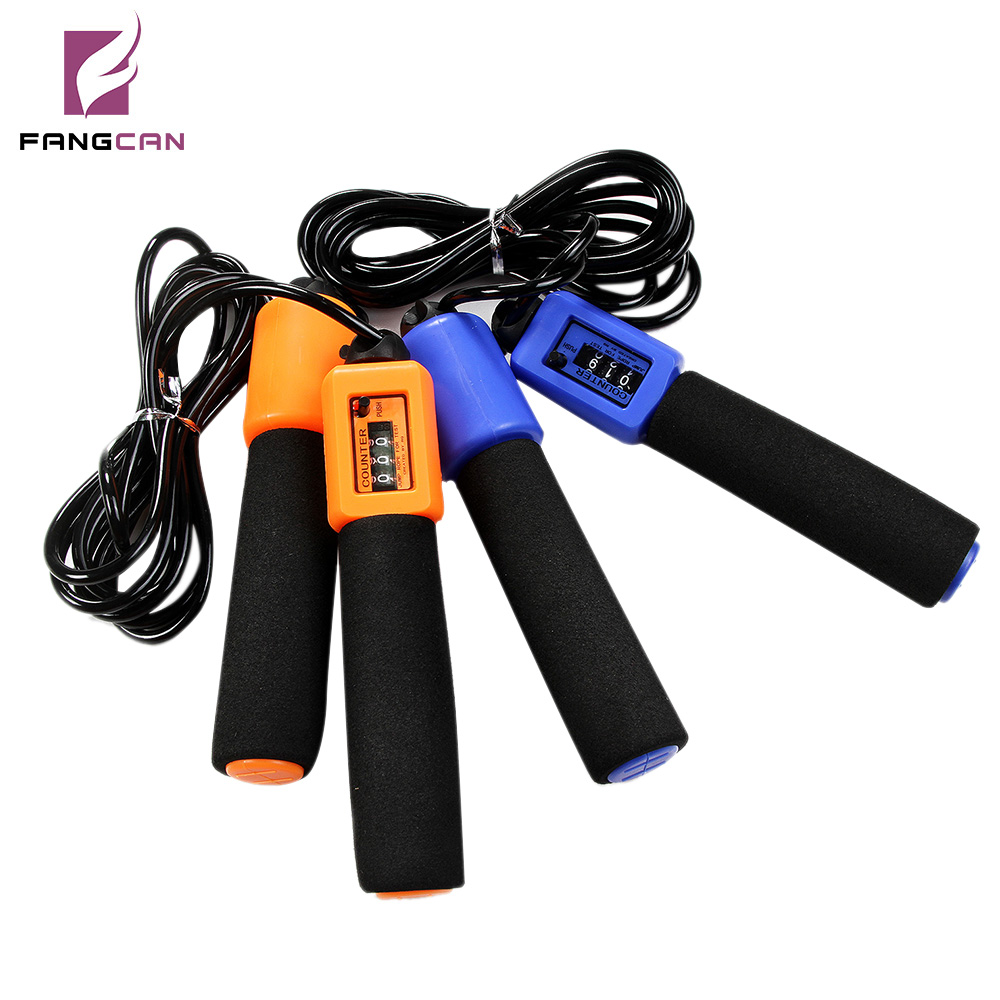
Ask for the battery type, the expected count life, and whether the module is serviceable. Those three answers decide whether this is a product you can sell to institutions, which is where the volume in this line actually comes from.
Job two: speed, for people who train by rhythm
A speed rope is judged by how little it interferes. Thin cable, low-friction bearings, handles light enough to disappear, and a length adjustment that holds its setting. Nothing about it is designed for durability against concrete; it is designed to turn fast and stay out of the way.
The specification that separates a usable speed rope from a frustrating one is the bearing arrangement. A single bearing in a plastic housing will bind under sustained high rpm; a double-bearing handle keeps the cable rotating cleanly. That difference is invisible in a photograph and immediately obvious in the hand, which is exactly the kind of difference that generates word-of-mouth either way.
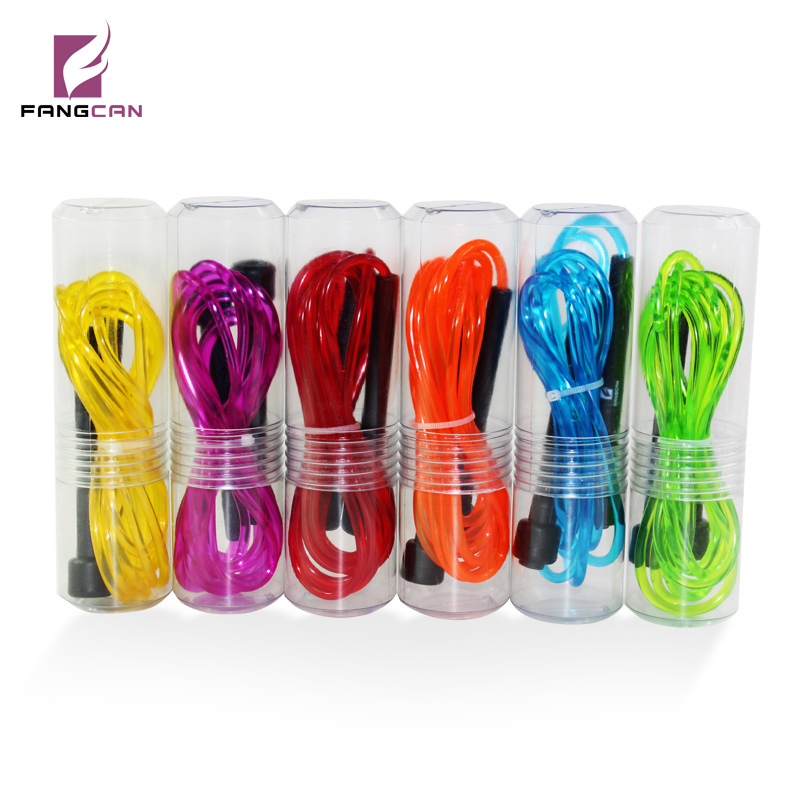
Also specify the cable material and its diameter. Coated steel cable is fast and unforgiving; PVC cord is slower, safer indoors, and better for beginners. A buyer stocking one speed rope is really choosing which customer to serve.
Job three: weighted, for people who train by load
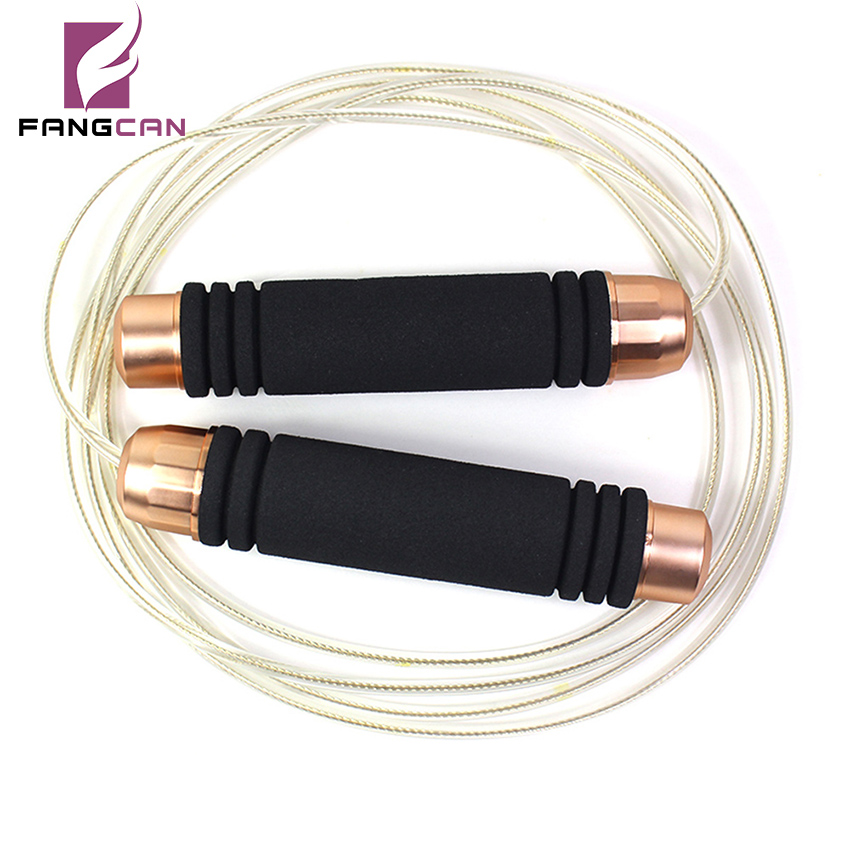
A weighted rope is a conditioning tool, not a skipping tool. The mass in the handles or the cord forces the shoulders and forearms to work against resistance, and the rope turns slowly enough that the movement resembles a swing more than a skip. It belongs next to kettlebells in positioning, even if it hangs next to skipping ropes on the wall.
Weight is the specification, and it needs a range rather than a single number. Too light and it is just an awkward rope; too heavy and the user’s form collapses before the set ends. Offering two weights covers most of the demand; offering five creates a stocking problem with no matching increase in sales.
What the purchase order needs
- Rope diameter and material, separately for each of the three types.
- Handle length, grip material, and whether the handle is weighted.
- Bearing count per handle, and the expected rotation life.
- Length adjustment range, and the locking method.
- Counter: battery type, serviceability, and reset behaviour.
- Retail packaging that states the intended use, not just the length.
The last item is the one most often skipped, and it is the one that prevents the wrong-product return. A customer who buys a weighted rope expecting a speed rope will return it, and the return will be recorded against your line rather than against the shelf decision that caused it.
How the three sit together
Treated as one category, they cover three distinct buyers: the class participant, the conditioned athlete and the strength trainee. Treated as one SKU, they cover none of them well. If the shelf only has room for two, take the counting rope and the weighted rope — those two have the least overlap in use. Add speed only when the shop already serves a competitive or CrossFit-adjacent crowd.
Seasonality runs differently for each, which is worth planning for: counting ropes follow class enrolment, weighted ropes follow strength cycles, speed ropes follow competition calendars. The three-clock framing in our seasonal buying note applies directly — one order date for three curves is how a category ends up overstocked in one line and empty in another.
Wear, and when a rope is finished
Ropes fail at the two ends, not in the middle. The cable wears where it enters the handle, and the handle wears where the bearing seats. Both failures are visible before they are dangerous, which means a shop can inspect returned stock in seconds and separate a manufacturing fault from six months of use.
Ask the factory what rotation life the bearing is rated for, and in what conditions. A speed rope used on concrete is being asked to do something it was not designed for, and the answer belongs on the packaging rather than in the returns conversation.