

Three MOQ Levers, and the Three Things Not to Trade
An MOQ that will not move usually is not stubbornness. It is that you have not offered the factory a cheaper way to make it. A minimum order is really “how much fixed cost has to be spread across one production changeover” — tooling, setup, material preparation, print plates. To lower the threshold you have to move one of those.
So the right sequence is not “can you do less”. It is “if I change this, how low can you go”.
Three levers that actually work
| Lever | You change | They save |
|---|---|---|
| Fewer colours | Five colours down to two | Colour-change cleaning and packing labour |
| Combine models | Order several models of one spec together | Repeated setup runs |
| Stage the volume | Small first order, committed reorder | Predictable capacity |
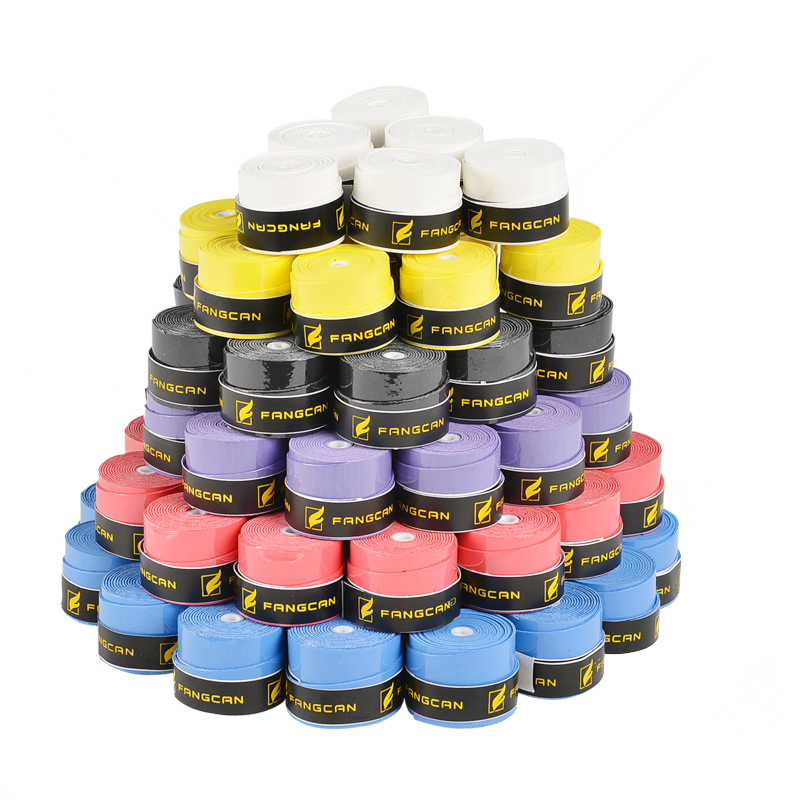
The most effective is combining models, for a concrete reason: fixed cost is counted per changeover, not per unit. Three models at 500 each means three changeovers; one model at 1,500 means one. The threshold on the combined order is often lower than anything you could negotiate model by model.
“Mixed models combine” belongs in the quotation
Many quotations give one headline MOQ and say nothing about combination rules. The surprise arrives at order stage: each colour is ordered separately, and with several SKUs the thresholds stack.
Confirm three things before ordering: whether colours combine, whether models combine, and whether custom colours sit at the same threshold as stock colours. Factories differ enormously here, and asking is worth more than haggling the price.
Custom colours usually carry a higher threshold because they involve print plates or a dye batch. If the first order has to be custom, trade a mix of custom and stock colours — let the stock volume absorb part of the custom threshold.
How to use a reorder commitment
“We will start small and reorder if it sells” works at the table, but only with two conditions.
Specific. “If it sells” means nothing to a factory. Give an executable window and multiple: a reorder of at least three times the first order within 90 days, for example.
Deliverable. A commitment not kept once discounts every commitment afterwards. Understate the reorder rather than overstating it to win a lower threshold.
A variant is trading a higher deposit for a lower MOQ. That is cash flow to the factory and capital tied up for you — worth it only where you are certain of the category long term.
Three things not to give away
Colours, staging and stock shades are all fair trade. Three items are better held:
Tolerances. Relaxing tolerance to win a lower threshold buys a consistency problem. Our balls specify 600–650 g and frames 3U (85 ± 2 g); those bands are a floor, not a bargaining chip.
Packing format. OPP bag to carton, cover included to excluded — every one of those becomes extra labour and a second purchase at the warehouse.
Inspection terms. Volume can move; acceptance criteria cannot. That clause is the only brake before goods leave the factory.
How to put this into practice
One, work out your real requirement first. Many “MOQ too high” cases are a year’s volume split into four orders. Combine into two and the problem disappears.
Two, negotiate in lever order. Combine models, then cut colours, then discuss staging and deposits. The first two are free; the last two cost something.
Three, write the combination rules into the quotation. Verbal commitments die when the contact person changes.
Four, hold the three non-negotiables. Tolerances, packing and inspection go into the contract annex, and you state plainly that these three are not part of the discussion.
One definition worth separating: MOQ is not the minimum packing unit. A factory may quote an MOQ of 500 while packing 12 per carton, which means 500 is not orderable — you need a multiple of 12. Quotations regularly merge the two numbers; confirm them separately before ordering.
Frequently asked questions
Is MOQ per colour or per model?
It varies by factory and must be asked explicitly. This is the most common source of misunderstanding, and the reason thresholds double after ordering.
Can a custom colour threshold be negotiated?
Usually through two routes: mixing stock colours to absorb volume, or committing to consecutive reorders in that colour. Price pressure alone rarely works.
What does a small trial order cost?
Higher unit price, fewer colour options, limited customisation. If the goal is market validation, that is usually worth paying.
What happens if I miss the reorder commitment?
Short term you lose negotiating room; long term that supplier stops offering flexible terms. Estimate on the conservative side before promising.
Want an MOQ negotiation checklist?
If you are stuck on a first-order threshold — and want to know which items can be traded and which cannot — send us the category and your volume estimate and we will return a tradeable-items list. Talk to our team.